Showing posts with label apologist. Show all posts

Thursday, August 27, 2026

Dancing, Chastity, and Catholic Prudence: A Response to Noah Bieser’s “Dancing Is Sinful… Most of the Time”

Dancing, Chastity, and Catholic Prudence: A Response to Noah Bieser’s “Dancing Is Sinful… Most of the Time”

Noah Bieser, better known online as Jesus and Whatnot, has become one of the more recognizable young Catholic voices in digital apologetics. Coming from a Presbyterian and Calvinist background before entering the Catholic Church, he has spent years arguing for the papacy, the Real Presence, the Deuterocanon, Marian doctrine, and the necessity of baptism, often in long-form debates with Protestants, atheists, and Eastern Orthodox interlocutors. That work has real value. Many people first encounter a confident, Scripture-literate case for Catholicism through his videos. He takes doctrine seriously, he is willing to debate, and he is not embarrassed by the supernatural claims of the faith. Those are gifts the Church can use.

Precisely because his broader project is serious, his recent video Dancing is sinful… Most of the time deserves a careful Catholic reply rather than either uncritical applause or a dismissive eyeroll. The video is not a cartoonish “dancing is of the devil” rant. Bieser quotes St. John Vianney, the Second Plenary Council of Baltimore, early Fathers, St. Thomas Aquinas, and Scripture. He grants that some dancing can be good. He distinguishes married from unmarried couples. He is especially concerned about school slow dances and the sexualization of young people on TikTok. Those concerns are not imaginary. A Catholic response should keep what is true and reject what overreaches.

The overreach is this: the video often treats mixed-sex social dancing—especially any close or “round” dancing—as if it were, in ordinary circumstances, a near occasion of sin that must be avoided “at all costs.” That tone can sound more Puritan or Jansenist than Catholic. Catholicism is not a religion of maximum suspicion toward the body. It is a religion of the Incarnation. The body is good. Joy is good. Recreation is good. Chastity governs these goods; it does not abolish them.


 What the video gets right

First, dancing is not morally neutral in every form. Some dances are constructed to arouse. Some clothing is constructed to display the body as a sexual object. Some settings—dark clubs, heavy drinking, music whose lyrics are pornographic—make chastity unusually difficult. Social media dance trends have, in many cases, trained teenagers to treat their bodies as content for strangers. A Catholic who shrugs at that is not being “balanced.” He is being naive.

Second, saints and pastors have always warned about particular dances of their own time. St. John Vianney’s pastoral experience in nineteenth-century rural France was not abstract. Village dances were often late, mixed, poorly supervised, and spiritually costly. The Fathers who condemned theatrical or cultic dance were looking at pagan spectacle, not a parish hall Virginia Reel. Local councils that warned against “fashionable dances… as at present carried on” were reacting to concrete abuses of dress, hours, and manners. Those warnings still teach us something: pastors may and should condemn this dance, in this culture, when it is immodest.

Third, St. Thomas himself, whom Bieser cites, does not treat recreation as an excuse for lust. Eutrapelia—the virtue of play—is a mean. Too little recreation makes a person harsh. Too much, or the wrong kind, makes a person dissipated. Aquinas is not a 21st-century dance-floor libertine.

So the video is not wrong to say that Catholics should think harder than the surrounding culture about what they do with their bodies.


 Where the argument becomes rigorist

The problem is the slide from “some dances are dangerous” to “most dancing, especially mixed dancing with contact, is to be treated as sinful or nearly so.” That is not how Catholic moral theology works.


Catholic moral theology distinguishes:

1. Acts that are intrinsically evil.

2. Acts that are good or indifferent in themselves but can become sinful by intention, circumstance, or scandal.

3. Occasions of sin that are proximate (likely to lead to sin here and now) versus remote.


Dancing belongs in the second category. Fr. John Hardon’s Modern Catholic Dictionary states the ordinary teaching plainly: “In itself dancing is perfectly licit. It may, however, become a source of evil either because of the way in which it is done or because it is an occasion of sin for some particular individual.” That is the Catholic sentence. It is not “dancing is sinful most of the time.”

Catholic Answers makes the same point in its Q&A on ballroom dancing. The Church has never issued a universal ban on ballroom dancing. The Second Plenary Council of Baltimore warned against fashionable dances as then practiced—with décolleté dress, late hours, masked balls, and a loss of delicacy—not against the waltz as a metaphysical species of sin. Protestant sects have sometimes banned dancing categorically. The Catholic Church has not.

When a creator treats Baltimore 1866, or a sixth-century disciplinary canon, or St. John Vianney’s parish policy, as if they were timeless dogmatic definitions, he is doing what traditionalists sometimes accuse liberals of doing: isolating texts from their genre. A regional council’s pastoral decree is not Lumen Gentium. A saint’s severe sermon is not the Catechism. Discipline changes. Moral principles do not. The principle is chastity and prudence. The discipline of “no public mixed dancing under pain of excommunication” is not a living law of the Latin Church.


 Scripture does not support a general ban

Bieser is honest enough to list the positive texts: David before the Ark (2 Samuel 6:14), Psalm 149:3, Jeremiah 31:13, and the warning in Ecclesiastes against the seductive dancing girl. The interpretive key he offers is that biblical dances were “for the Lord,” modest, and bodily separated, whereas modern dances aim at the opposite.


That contrast is too neat.

Jeremiah 31 does not describe a liturgical ballet of same-sex groups standing three feet apart. It describes young women, young men, and old men rejoicing together in the restoration of Israel. Luke 15 puts music and dancing inside the father’s house as the image of heavenly joy at a sinner’s return. Exodus 15 is Miriam and the women with timbrels after deliverance. These texts do not give a choreography manual. They do show that rhythmic bodily joy, including among the young, can be an appropriate human and even religious response.

Ecclesiastes 9 (or the related wisdom warnings about the seductress) condemns allurements that destroy, not every festive movement. Using that verse against a modest contra dance is like using Proverbs against wine to forbid the wedding at Cana.

A Catholic reading of Scripture holds both sides: the body can praise God, and the body can become an idol. The Church does not resolve that tension by declaring most dancing suspect.


 Aquinas is more permissive than the video allows

Bieser cites Summa Theologiae II-II, q. 168 on eutrapelia, then immediately hedges it until almost nothing social survives except the most antiseptic “cultural” dance. Aquinas’s actual concern is whether play is ordered to rest and cheerfulness without obscenity or cruelty. He knows that jokes and games can be sinful. He does not conclude that Christians should therefore treat ordinary festive dancing as a spiritual hazard to be avoided unless sin is “not reasonably possible.”

That last phrase is the rigorist tell. Catholic moralists do not require the absence of all reasonable possibility of sin before an activity is allowed. If they did, mixed conversation, mixed workplaces, dating, beaches, theaters, and smartphones would all fall under the same ban. The standard is whether an activity is a proximate occasion of sin for this person in these circumstances, and whether there is a proportionate reason and means of making the occasion remote.

A three-minute waltz in a well-lit hall, with defined steps, modest dress, and other couples present, is not the same moral object as grinding in a nightclub or filming a sexually suggestive TikTok. Collapsing them into “round dances / embracing / attraction to the body” flattens moral analysis.

Peter Kwasniewski’s “Go Forth in Dance” (Crisis Magazine, 2024) makes this point from inside a traditionalist milieu. Formal social dancing—country dance, contra, a restrained waltz—can teach courtesy, timing, restraint, and ease between the sexes. It is structured touch, not private groping. Young men who never learn how to stand near a woman without panic or lust do not become more chaste; they often become more awkward and more interiorly obsessed. Catholic culture historically included village dances, wedding feasts, and courtly forms. An imagination that can only see lust there is, as that essay argues, out of touch with Christian humanism.


 The married/unmarried distinction is too crude

The video says the prohibition “pertains mainly to the unmarried,” while married couples “can certainly enjoy each other’s presence in the form of dance.” There is a truth here: spouses have rights to one another that the unmarried do not. But public dancing has its own rules of decency for everyone. A married couple performing bedroom intimacy on a dance floor would still be indecent. Conversely, an unmarried man and woman dancing a figured reel with brief, conventional handholds are not thereby imitating the marital act.

Dominic Prümmer’s classic Handbook of Moral Theology treats familiarity between persons contemplating marriage with the sobriety one would expect from a pre-conciliar manual: intended venereal pleasure is gravely sinful; signs of affection that are not intended as such and are not a proximate occasion can be licit; if something is only an occasional danger, the confessor does not immediately treat it as an absolute ban. That is the Catholic casuistry of real life. It is not “avoid all bodily contact between unmarried persons.”

If the standard becomes “no proximity that could possibly stir attraction,” courtship itself becomes unintelligible. Holding a hand, a formal dance, a goodbye embrace at the door—all of these can be chaste or unchaste. The Church teaches people to govern desire, not to pretend they have no bodies until the wedding night.


 Saints are not a substitute for the magisterium of today

This is the methodological issue behind many internet-traditionalist videos, including this one. A catena of severe quotations looks like “the tradition.” Sometimes it is only a catena of severe quotations.

St. John Vianney is a canonized pastor of souls, not the universal ordinary of every diocese in 2026. The Cure of Ars also imposed penances and parish rules that no bishop would impose today. Origen and Tertullian said many true things and some things the Church later refused. Constantinople III’s disciplinary line on public dances does not function as a current penal canon. Benedict XV’s complaint about exotic salon dances in Sacra propediem is a papal warning about a fashion, not a definition of dancing as such.

Catholics honor the saints by receiving their end—the protection of purity—without freezing their means. The same Church that produced Vianney produced Catholic wedding receptions, Polish polkas, Mexican folklórico, Irish céilí, and centuries of court dance. A theology that can only process the first half of that history is truncated.


 Social media dancing is the stronger part of the case

Here Bieser is at his best, and the criticism should be lighter. Platforms reward provocation. Young girls learn that a certain hip movement plus a trending audio equals attention. Influencers who began with relatively innocent short dances often escalate into more sexual content because the algorithm pays for it. Parents who hand a child an unfiltered phone and then act shocked are failing in their duty.

Even here, though, the remedy is formation and limits, not a metaphysics in which “moving one’s body on camera” is the newest and most evil species of dance. A high-school liturgical choir’s modest praise dance in a gym, a ballet class, or a family video of children jumping around the kitchen are not Charli D’Amelio’s business model. Moral theology lives on distinctions.


 Why the Puritan note is un-Catholic

Puritanism, in the popular sense, treats created goods as guilty until proven innocent. Jansenism treated frequent communion and ordinary human cheer as spiritually dangerous. Catholicism does the opposite with created goods: they are innocent until a specific disorder is shown. The Catechism presents chastity as the successful integration of sexuality within the person, not as the subtraction of all delight (CCC 2337). It presents recreation and rest as part of a human life. It presents the body as a temple, which means it is holy, not merely a trap.

A young apologist who has seen the sexual chaos of the last fifteen years can be forgiven for overcorrecting. The culture is not modest. Schools sometimes are reckless. Pornography has deformed desire. In that climate, “just don’t dance” feels like a clean rule. Clean rules are pastorally tempting. They are also how scrupulosity is born.

Catholics already know the pattern. Some communities treat alcohol as practically forbidden because drunkenness exists. Some treat mixed swimming as forbidden because lust exists. Some treat novels, theater, or sports as worldly. Each time, a real vice is met with a false universal. The Catholic answer is virtue: temperance, modesty, custody of the eyes, honest friendship, early marriage when appropriate, and the sacraments. It is not a new commandment against the waltz.


 A more Catholic way to talk about this

If Noah Bieser wanted to keep the force of his warning without the rigorist frame, the thesis would sound more like this:


- Dancing is a created good that can express joy, skill, courtship, and even thanksgiving.

- Many contemporary forms are immodest or are proximate occasions of sin, especially for the young and for those already struggling with lust.

- Parents and pastors should forbid particular events, playlists, and platforms when they are corrupting.

- Modest, structured social dancing is not forbidden by the Church and can even serve formation in courtesy.

- Clothing, music, alcohol, hours, and supervision often matter more than the name of the step.

- Married and unmarried people alike must practice public decency.

- No one is obliged to attend a dance; some people should stay away because they know their weakness. That is personal prudence, not a law for the whole Church.

That position is stricter than the average American high school and looser than the video. It is also closer to Aquinas, to the Catholic Encyclopedia, to Catholic Answers, and to the lived practice of Catholic cultures.


 In praise of the work—and a request

Jesus and Whatnot exists because Noah Bieser decided, while still in high school, that Christ and the Church were worth defending in public. He has argued the Filioque, the papacy, the canon of Scripture, and the deity of Christ in front of audiences that would rather mock than listen. That is harder than posting a video about dancing. The Church needs more converts who can speak the language of the internet without dissolving doctrine into vibes.

The request is simply that the same precision he brings to Trinitarian and ecclesial debates be brought to moral theology of the sixth commandment. Quoting saints is not the same as weighing them. A local council is not a dogma. “Near occasion of sin” is a technical phrase, not a mood. And Catholicism is not safest when it most resembles a sect that is afraid of ordinary human joy.

The Word became flesh. He attended a wedding and provided the wine. He let a woman anoint his feet. He rose with a glorified body. A Church formed by those mysteries will be severe with lust and generous with legitimate gladness. That is not laxism. It is the Catholic mean.

Dancing is not the heart of the Gospel. Neither is avoiding dancing. The heart of the Gospel is Jesus Christ, crucified and risen, who claims the whole person—including the body that can kneel, work, embrace a spouse, carry a child, and, at the right time and in the right way, move for joy.


---


References


- Thomas Aquinas, Summa Theologiae II-II, q. 168 (on modesty in outward movements and eutrapelia).

- Catechism of the Catholic Church, 2337–2359 (chastity); 1809 (temperance).

- “Dancing,” Catholic Encyclopedia, via Catholic Answers.

- Tom Nash, “No Ban on Ballroom Dancing,” Catholic Answers Q&A.

- Catholic Answers Staff, “How can your Church condone dancing?”

- John A. Hardon, S.J., “Dancing, Morality of,” Modern Catholic Dictionary.

- Second Plenary Council of Baltimore (1866), pastoral warnings on fashionable dances “as at present carried on.”

- Peter Kwasniewski, “Go Forth in Dance,” Crisis Magazine, September 9, 2024.

- Dominic M. Prümmer, O.P., Handbook of Moral Theology, on familiarity between persons of different sex.

- Scripture: Exodus 15:20; 2 Samuel 6:14; Psalm 149:3; Ecclesiastes 3:4; Jeremiah 31:4, 13; Luke 15:25.

- Congregation for the Sacraments and Divine Worship, Dance in the Liturgy (1975), on why Western liturgical dance is generally excluded—an important distinction from social dancing outside Mass.

Saturday, December 6, 2025

Alex 'Voice of Reason' Jurado' Swift Return Problematic

The Swift Return of Alex Jurado: A Voice Silenced by Scandal, Now Echoing Too Soon?

In the ever-scrolling world of Catholic social media, where apologetics debates rack up millions of views and TikTok reels defend the Eucharist against Protestant critiques, few voices rose as meteorically as Alex Jurado's. Known online as the "Voice of Reason" (VOR), the 30-year-old Byzantine Catholic apologist built a digital empire with over half a million followers across YouTube, Instagram, and TikTok. His content—fiery, unapologetic, and laced with youthful charisma—catapulted him to fame in 2024 after a viral debate with Protestant theologian James White. Jurado wasn't just defending doctrine; he was embodying it, a prodigy leading "thousands" back to the Church, as his now-scrubbed Catholic Speakers bio once boasted. He spoke at events, guested on podcasts like The Lila Rose Show, and promoted Eastern rites with a fervor that made him a darling of online Catholicism.

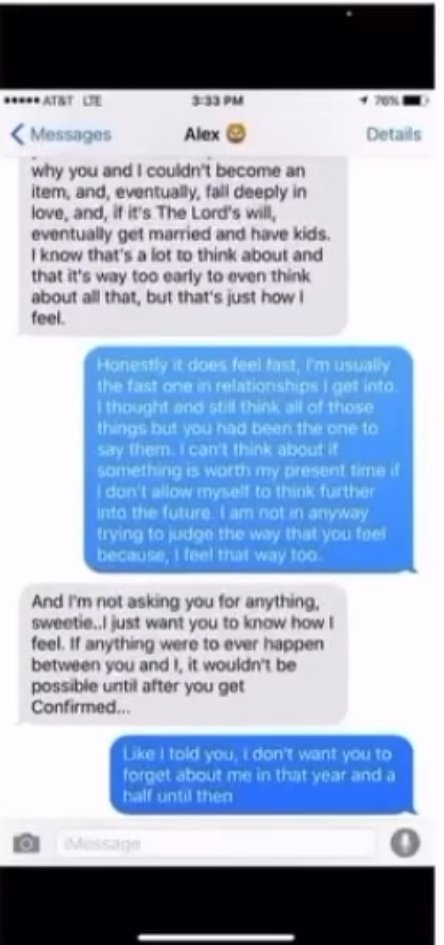
But on July 13, 2025, the meteor crashed. A bombshell report from the Protestant watchdog site Protestia alleged "whistleblowers" within the Catholic community had leaked screenshots of sexually explicit texts Jurado sent to a girl as young as 14 when he was 21. The messages, purportedly from 2015-2016, described her as "very sexy" and "my queen," fantasizing about a future relationship post-confirmation while acknowledging her youth. Protestia also shared exchanges with adult women, painting a pattern of flirtatious, boundary-crossing behavior that contradicted Jurado's public embrace of celibacy for ministry. At least eight women reportedly came forward with similar stories of inappropriate messaging over years.

The fallout was swift and seismic. Catholic Answers removed his profile, calling the allegations "serious" and praying for "everyone who may have been victimized." Bishop Artur Bubnevych of the Holy Protection of Mary Byzantine Catholic Eparchy of Phoenix—Jurado's home eparchy—banned him from all eparchy events and facilities pending investigation, citing his status as a "regular attendee" at a parish where he'd filmed videos. Online, Reddit threads in r/EasternCatholic and r/TraditionalCatholics erupted, labeling him a "predator" and decrying the "infiltration of over-sexualized culture" in young Catholic spaces. Jurado denied the grooming claim as a "complete fabrication," vowing cooperation with the probe, but admitted in an August 17 YouTube video, "Breaking My Silence," to sending inappropriate messages to women, apologizing profusely and pledging lifelong penance. He vanished from public view, entering a self-imposed hiatus amid legal consultations.

Then, on December 6, 2025—barely five months later—Jurado resurfaced. Not with a grand mea culpa or a bishop's blessing, but via Instagram Stories: a casual video chatting with an Eastern Church priest, hinting at collaborations, and the launch of a Patreon for "exclusive content" to support his ministry. No mention of the scandal. No extended reflection on healing. Just... back. The optics? Catastrophic. In a Church still reeling from decades of abuse scandals, this felt less like redemption and more like resurrection without the tomb time. Critics online swiftly branded him a "grifter" chasing donor dollars or a "narcissist" blind to the pain he'd caused. Whispers grew: Is it too soon? Should he ever return to public ministry?

This post isn't a hit piece—Jurado's early work inspired many, including reverts who credit his videos for pulling them back to the faith. But his return demands scrutiny, not schadenfreude. Sexual misconduct allegations, even if unproven, cast long shadows in ministry. They erode trust, amplify gossip, and reopen wounds for victims everywhere. Drawing from Church documents like the Dallas Charter and diocesan safe environment protocols, we'll explore why this comeback feels premature, the protocols governing returns after credible accusations, and why waiting—or pivoting entirely—might serve the Gospel better than a hasty reboot.


 The Rise of a Digital Apologist: From Prodigy to Phenomenon

To understand the fall, revisit the ascent. Born around 1995 in the Southwest, Jurado grew up in a devout Byzantine Catholic family, attending Our Lady of Perpetual Help in Albuquerque, New Mexico—a parish he'd later use as a filming backdrop. By his teens, he was a "prodigy," leading Bible studies and catechism classes, his bio once read. College sharpened his apologetics edge; he debated Protestants online, dissecting sola scriptura with surgical precision.

In 2023, Voice of Reason launched on YouTube—a mix of short-form rebuttals and long-form defenses of transubstantiation, papal infallibility, and Eastern liturgy. His style? Relatable swagger: "If you're Protestant and mad at this, hit that debate request button." Views exploded. By mid-2024, the July debate with James White—a three-hour marathon on Mary and the saints—garnered 2 million views, thrusting Jurado into the spotlight. Invites followed: Pints with Aquinas, The Lila Rose Show (episode E190, discussing Protestant-Catholic common ground), even The Salt podcast, where he shared his celibacy vow for ministry.

Jurado's appeal lay in his authenticity. As a lay Byzantine Catholic, he bridged East-West divides, urging Latin Rite folks to explore icons and incense. Followers gushed: "Alex brought me home from evangelicalism," one Reddit user shared in a revert thread. His channel wasn't just theology; it was community—Q&As, prayer requests, a digital parish for the disillusioned. By 2025, VOR trended in Catholic X circles, with 500,000+ followers tuning in for live streams.

Yet, cracks simmered beneath. In February 2025's Lila Rose appearance, Jurado touted celibacy, but whistleblowers later claimed it rang hollow amid alleged ongoing flirtations. Fame amplified scrutiny; online Catholic spaces, rife with young influencers, bred envy and leaks. When Protestia's report dropped, it wasn't isolated—it echoed broader concerns about unchecked power in digital ministries.


 The Scandal Unfolds: Allegations, Denials, and a Bishop's Hammer

July 13, 2025: Protestia's post hit like a thunderclap. Screenshots showed "Alex" texting a minor: "I just really want you," tempered by "nothing until after confirmation." (The complainant later amended her age to 16, his to 19-20, but the power imbalance lingered.) Additional leaks detailed explicit chats with adults, including nudes and propositions. Sacerdotus blogged: "Sexting scandal with a 14-year-old? Inappropriate behavior toward women?" CNA reported eight women alleging patterns over a decade.

Jurado's July 15 Instagram response: "Complete fabrication" on grooming; he was "voluntarily cooperating." He apologized for "hurting" followers but doubled down on innocence for the worst charge. Catholic outlets distanced: Catholic Answers yanked his page; speakers bureaus ghosted.

Enter Bishop Bubnevych. On July 16, he decreed: No eparchy involvement for Jurado, pending probe. "A regular attendee" at parish events, Jurado's ban signaled gravity—this wasn't freelance drama; it implicated Church oversight. Podcasts like Catholic Answers' Shameless Popery dissected: "Scandalous... leading many to have thoughts." Reddit: "Defending this predator? Stomach-turning."

August 17: "Breaking My Silence." Jurado admitted messaging women—"I caused damage"—but denied pedophilia, suing accusers. He thanked supporters, pledged prayerful reparation, and... went dark. Hiatus. For four months, silence. Fans prayed; critics healed.


 The Protocols: Dallas Charter and Safe Environment Guidelines

The Church isn't naive about returns post-scandal. The Dallas Charter (2002), born from Boston's horrors, mandates "zero tolerance" for substantiated clergy abuse: one strike, permanent removal from ministry. Revised in 2018, it requires:


- Prompt reporting to civil authorities.

- Diocesan review boards (lay-majority) to assess "credible" allegations—defined as those with "reason to believe true" after investigation.

- Removal from ministry during probes; no return if substantiated, even if cleared criminally.


For clergy, it's ironclad: "Permanently removing from public ministry those priests against whom abuse allegations were substantiated." Even cleared priests carry "a cloud of suspicion," as diocesan audits note—gossip persists, trust erodes. The Charter prioritizes victims: healing, reconciliation, prevention over rehabilitation.


Jurado's lay, but protocols extend via safe environment programs—mandatory in every U.S. diocese. These include:


| Protocol Element | Description | Application to Lay Ministers |

|------------------|-------------|------------------------------|

| Background Checks & Training | Annual VIRTUS-style sessions on boundaries, mandatory reporting. | All volunteers/employees with minors/vulnerable adults; renewals ensure "healthy boundaries." |

| Code of Conduct | Bans sexualized talk, physical contact; requires two-deep leadership. | Applies to "church personnel" (lay included); violations trigger removal. |

| Allegation Response | Immediate probe by Victim Assistance Coordinator; board review. | Suspension pending; no unsupervised ministry if "credible." |

| Return Criteria | Rarely permitted; requires bishop approval, therapy, monitoring. Even then, "restricted" roles only—no public-facing if risk exists. | Dioceses like Phoenix (Jurado's) emphasize "reconciliation and accountability," but prioritize safety. |


For lay like Jurado, return isn't forbidden outright—unlike clergy—but dioceses apply Charter principles. A "credible" finding (e.g., admitted messaging) bars public ministry to avoid scandal. Phoenix's Office of Protection & Empowerment stresses: Probes lead to bans if boundaries breached; returns demand "healing Masses, counseling," and no minors contact. Jurado's eparchy probe? Ongoing, per reports—no clearance announced.


 December 6: The Return That Reopened Wounds

Five months. That's the hiatus. On December 6, Instagram Stories lit up: Jurado, smiling, dialoguing with an Eastern priest—perhaps signaling Byzantine roots redux. Patreon link: "Support VOR's mission." No apology redux. No victim outreach. Just content.

X erupted. Sacerdotus posted screenshots: "vor comes out... with Patreon and video... after sex scandal." Replies: "Grifter alert." "Narcissist—too soon!" Others: "Let the man repent," but even fans admitted unease. In r/Catholicism, echoes of July: "Impartiality? He burned trust." The priest's involvement? Optics-killer—implying endorsement sans clearance.  Some are even suggesting Jurado became a Coptic Christian because now the Latin and Byzantine Church banned him.  

Why now? Patreon suggests financials: Hiatus hit hard; digital ministries monetize or die. But in scandal's shadow, it screams opportunism. Church protocols demand time: Therapy, spiritual direction, private penance. Five months? Barely processing. Victims of Church abuse—thousands strong—report triggers lasting years; one influencer's casual return mocks that.


 The Human Cost: Suspicion, Gossip, and the Cloud That Lingers

Sexual scandals aren't footnotes; they're earthquakes. Even cleared priests face "morbid fear" of false claims, per BishopAccountability.org—24% trust bishops post-Dallas. Lay influencers? Same shadow. Jurado's admitted wrongs—messaging women—breached trust; the grooming denial doesn't erase doubt. Human nature: Gossip thrives. "Did you hear about VOR?" whispers in confession lines, youth groups.

Victims bear brunt. CNA notes: Allegations "scandalize, disedify." One Reddit user: "Ewwww... disgusting." His return? Salt in wounds, implying "moved on" while others can't. Broader Church: Post-2002, abuse reports plummeted, but emotional scars? Eternal.

Narcissism charge? Fair if ignoring this. Grifter? Patreon amid probe smells transactional. True repentance? Private, prolonged—St. Augustine's Confessions took years, not months.


 Why Wait? The Case for Patience or Pivot

Jurado should've waited. Two, three years: Let probe conclude, wounds scar. Heal privately—therapy, direction, almsgiving. Return? If ever, low-key: Parish volunteer, no spotlight. Protocols allow restricted roles post-monitoring. But public ministry? Risky. Dallas emphasizes prevention over second chances; lay extensions follow suit.

Better: Pivot. Ministry's not social media. Teach catechism quietly. Write anonymously. Or exit: Secular job, private faith. Sexual scandals "hard to get over"—suspicion clings like damp rot. Even cleared, "cloud" hovers; one whisper derails.

Church history: St. Mary of Egypt fled society 47 years for penance. Modern? Fr. Ron Rolheiser advises: "Scandal demands exile for trust's sake." Jurado's gifts—eloquence, zeal—could bless elsewhere, sans stage.


 A Call to the Church: Discernment in Digital Days

Jurado's saga spotlights perils: Unvetted influencers wield priest-like sway sans accountability. Bishops must oversee—review boards for lay stars? Followers: Vet heroes; one voice ≠ Gospel. Victims: Heard, healed—dioceses like Detroit's pledge it.

For Alex: Pause. Penance isn't performative. True voice? Silent prayer first. Church awaits redeemed, not rushed.  No one will take him seriously. There is no way the likes of Dr. James White or others will entertain debates with him again.  He is tarnished now.  Damaged goods.  

In scandal's wake, mercy abounds—but wisdom tempers. May healing come for all.


Wednesday, August 13, 2025

The Iron Inquisitor: Randall Williams’ Journey from Social Media Apologist to Seminarian

The Iron Inquisitor: Randall Williams’ Journey from Social Media Apologist to Seminarian

In an era where social media often distracts from deeper truths, one young man has harnessed its power to proclaim the Catholic faith with clarity, conviction, and a touch of humor. Randall Williams, known online as the "Iron Inquisitor," has become a leading voice in Catholic apologetics, amassing over 12 million monthly views across YouTube, TikTok, and Instagram. His bold defense of Catholicism, rooted in philosophy, theology, and personal testimony, has inspired countless followers. Recently, Randall made two life-altering announcements: he was invited to Rome for the Jubilee of Digital Missionaries and Catholic Influencers, and he has quit his job as a software engineer to enter the seminary to discern the Catholic priesthood. This 2000-word blog post explores Randall’s remarkable journey, his impact as a digital missionary, his call to the priesthood, and a biography of his life. Join us in congratulating this faithful young man and lifting him up in prayer as he embarks on this sacred path.


 The Rise of the Iron Inquisitor

Randall Williams, a 26-year-old from the San Francisco Bay Area, is no ordinary social media influencer. His platform, the Iron Inquisitor, is a digital haven for those seeking answers about the Catholic faith. With content ranging from in-depth investigations like “I Investigated the Loretto Staircase Miracle” to spirited debates on sola scriptura with Protestant ministers, Randall’s videos combine theological rigor with relatable storytelling. His channel garners over 12 million views per month, a testament to his ability to connect with a generation hungry for truth in a world of fleeting trends.[](https://sfarchdiocese.org/local-catholic-software-engineer-wins-truth-and-beauty-award/)[](https://www.christendom.app/channels/ironinquisitor)

What sets Randall apart is his authenticity. In his short film Metanoia, which won a 2025 Truth and Beauty Award from Ascension Press, he contrasts the emptiness of social media “doomscrolling” with the lasting peace of returning to faith. The semi-autobiographical film depicts a young man (played by Randall) who misses a deadline due to his addiction to scrolling, only to find solace in prayer at a Marian grotto. This narrative mirrors Randall’s own journey of rediscovering Catholicism after a period of spiritual drift.[](https://sfarchdiocese.org/local-catholic-software-engineer-wins-truth-and-beauty-award/)[](https://catholicvote.org/software-engineer-wins-award-short-film-inspired-return-catholic-church/)


Randall’s content doesn’t shy away from tough topics. From confronting progressive Catholic conventions to debating Jewish rabbis and Anglican priests, he engages with charity and confidence, encouraging Catholics to defend their faith with clarity. His episode on the podcast What’s the Dill? highlights his passion for apologetics, philosophy, and evangelization, offering practical advice for Catholics navigating online challenges. As a brand ambassador for Catholic Answers, a catechist for the Diocese of San Jose, and an altar server for Archbishop Salvatore J. Cordileone, Randall lives his faith both online and offline.[](https://www.christendom.app/watch/yt_MHRWXmbJERM)[](https://www.christendom.app/watch/yt_IYbG20vgqXc)[](https://www.buzzsprout.com/1163120/episodes/16692614-ep-143-how-defending-the-catholic-faith-led-to-explosive-success)


 The Jubilee of Digital Missionaries and Catholic Influencers

In July 2025, Randall’s influence reached new heights when he was invited to Rome for the Jubilee of Digital Missionaries and Catholic Influencers, a significant event during the Catholic Church’s Jubilee Year. Held on July 28–29, 2025, the gathering brought together content creators from around the world to celebrate the role of digital media in evangelization. Randall, representing the Iron Inquisitor, shared his insights on defending the Catholic faith online, offering advice to fellow creators on how to engage audiences with truth and charity.[](https://www.tiktok.com/%40fareastrandcatholicnews/video/7532743399884049670)

The event, hosted in Rome, was a milestone for Randall, who described it as a “profound honor” to be recognized among global Catholic influencers. In an interview with Fareastrandcatholicnews on TikTok, he emphasized the importance of authenticity and prayer in digital ministry, urging creators to “speak from the heart” and root their work in the Eucharist. His presence at the Jubilee underscored his growing influence and the Church’s recognition of social media as a vital tool for spreading the Gospel.[](https://www.tiktok.com/%40fareastrandcatholicnews/video/7532743399884049670)

However, the event also sparked discussions about the role of “influencers” in the Church. Some critics argue that the term “Catholic influencer” risks trivializing the sacred mission of evangelization, equating it with secular fame. While Randall’s work is deeply rooted in faith, the label “influencer” can sometimes overshadow the spiritual weight of his calling. Nevertheless, his participation in Rome highlights the Church’s embrace of digital platforms to reach a new generation, and Randall’s contributions stood out as a model of effective, faith-driven content creation.


 A Bold Step: Entering the Seminary

On August 12, 2025, Randall shared a life-changing decision with his followers: he had quit his job as a software engineer to enter the seminary and discern a vocation to the Catholic priesthood. The announcement, posted on X by his friend and priest @FatherCapo, sparked an outpouring of support and prayers from his community. “I’m beyond proud of him for staying strong in body, mind, and spirit, and for being truly strong in the Lord,” Father Capo wrote.

Randall’s decision reflects a deep commitment to following God’s call, even at great personal sacrifice. Leaving a stable career in software engineering, a field where he excelled, was no small feat. Yet, as Randall shared in a recent YouTube video, his journey of defending the faith online led him to a profound encounter with Christ’s call to serve as a priest. “The more I shared the faith, the more I felt God pulling me toward something deeper,” he said. “I want to give my life to Him, to serve His people, and to bring others to the truth I’ve found.”

The decision to enter the seminary is not a guarantee of ordination but a period of discernment, typically lasting six to eight years, during which Randall will study theology, philosophy, and pastoral ministry while deepening his spiritual life. His choice resonates with many young Catholics who admire his courage to prioritize faith over worldly success. However, some skeptics question whether social media influencers can fully transition to the humility required of priesthood, given the public nature of their platforms. Randall’s transparency about his struggles with social media addiction, as depicted in Metanoia, suggests he is acutely aware of these challenges and equipped to face them with the “tools” of faith, prayer, and discipline.[](https://sfarchdiocese.org/local-catholic-software-engineer-wins-truth-and-beauty-award/)


 Biography of Randall Williams


Early Life and Education  

Randall Williams was born in 1999 in the San Francisco Bay Area to a devout Catholic family. Raised in San Mateo, California, he attended St. Gregory School and Junipero Serra High School, where he was exposed to Catholic teachings but admits to taking his faith for granted as a teenager. A competitive bodybuilder and gifted student, Randall excelled in academics and athletics, developing a discipline that would later define his work as the Iron Inquisitor.[](https://sfarchdiocese.org/local-catholic-software-engineer-wins-truth-and-beauty-award/)

His faith took a backseat during high school, drawn to the allure of secular culture and social media. However, a pivotal moment came during his time at the College of San Mateo, where he joined a Protestant Bible study group. “Those guys really pushed me to take my faith seriously,” Randall recalled. The experience sparked a reversion to Catholicism, as he rediscovered the depth of the Church’s teachings through study and prayer.[](https://sfarchdiocese.org/local-catholic-software-engineer-wins-truth-and-beauty-award/)[](https://www.cal-catholic.com/randall-williams-social-media-addict-comes-home/)

Randall went on to graduate from the University of Southern California with a degree in computer science, launching a successful career as a software engineer. Despite his professional success, he felt a growing call to share his faith, leading to the creation of the Iron Inquisitor platform in 2022.[](https://sfarchdiocese.org/local-catholic-software-engineer-wins-truth-and-beauty-award/)


The Iron Inquisitor  

Launched on YouTube, TikTok, and Instagram, the Iron Inquisitor quickly gained traction for its bold, unapologetic defense of Catholicism. Randall’s content spans a wide range of topics, from investigating Catholic miracles to debating theological concepts like sola scriptura. His ability to engage with critics, including atheists, Protestants, and progressive Catholics, has earned him respect as a thoughtful apologist. Videos like “I Tried the Only McDonalds Inside the Vatican” blend humor with faith, while others, like “Catholic Grills Anglican Priest for 2 Hours,” showcase his intellectual rigor.[](https://www.christendom.app/channels/ironinquisitor)[](https://www.christendom.app/watch/yt_IYbG20vgqXc)[](https://www.christendom.app/channels/ironinquisitor)

Randall’s work extends beyond social media. As a catechist for the Diocese of San Jose, he teaches young Catholics the foundations of their faith. As an altar server for Archbishop Salvatore J. Cordileone, he serves at the heart of the liturgy. His role as a brand ambassador for Catholic Answers further amplifies his reach, providing resources for those seeking answers about Catholicism.[](https://sfarchdiocese.org/local-catholic-software-engineer-wins-truth-and-beauty-award/)[](https://www.cal-catholic.com/randall-williams-social-media-addict-comes-home/)


Personal Struggles and Faith  

Randall is candid about his struggles with social media addiction, a theme central to Metanoia. “It’s something I continue to struggle with,” he admitted, “but now I have the tools to deal with it”. His transparency resonates with his audience, particularly young adults navigating the digital age. His reversion experience, sparked by a Protestant Bible study, highlights his openness to truth, even from unexpected sources, and his commitment to living authentically as a Catholic.[](https://sfarchdiocese.org/local-catholic-software-engineer-wins-truth-and-beauty-award/)


The Call to Priesthood  

Randall’s decision to enter the seminary in 2025 marks a new chapter in his journey. While he has not publicly disclosed the specific seminary, his announcement reflects a deep discernment process, guided by prayer and spiritual direction. His work as the Iron Inquisitor has prepared him for this step, as he has already dedicated years to serving the Church through evangelization. His invitation to Rome for the Jubilee further affirmed his calling, connecting him with a global community of Catholics committed to spreading the Gospel.[](https://www.tiktok.com/%40fareastrandcatholicnews/video/7532743399884049670)


 The Impact of Randall’s Work

Randall’s influence as the Iron Inquisitor extends far beyond view counts. His content has inspired countless viewers to explore Catholicism, return to the sacraments, or deepen their understanding of the faith. His Metanoia film, recognized by Ascension Press, has been praised for its raw honesty and spiritual depth, earning a place among the top Catholic content of 2025. His podcast appearances, such as on What’s the Dill?, have equipped Catholics with practical tools for defending their faith online.[](https://catholicvote.org/software-engineer-wins-award-short-film-inspired-return-catholic-church/)[](https://www.buzzsprout.com/1163120/episodes/16692614-ep-143-how-defending-the-catholic-faith-led-to-explosive-success)

However, Randall’s journey also raises questions about the intersection of faith and digital culture. Some traditional Catholics argue that social media, with its emphasis on likes and followers, can dilute the humility required for true evangelization. Randall counters this by grounding his work in prayer and the Eucharist, ensuring his platform serves Christ rather than personal ambition. His decision to enter the seminary suggests a willingness to surrender the spotlight for a life of service, a powerful testament to his priorities.


 A Call for Prayers and Congratulations

Randall Williams’ decision to enter the seminary is a bold and inspiring step, reflecting a heart fully surrendered to God’s will. As he discerns the priesthood, he faces a journey of sacrifice, study, and spiritual growth. We invite our readers to join us in praying for Randall, that he may be guided by the Holy Spirit, strengthened in faith, and surrounded by a supportive community. Let us also congratulate this young man for his courage to leave a successful career and follow Christ’s call. His work as the Iron Inquisitor has already touched millions, and his potential as a priest could transform countless more lives.

To Randall, we say: Well done, faithful servant! Your journey from software engineer to digital missionary to seminarian is a powerful witness to the transformative power of faith. May God bless you abundantly as you discern His will.

Prayer for Randall Williams  

Heavenly Father, we lift up Randall Williams as he enters the seminary to discern Your call to the priesthood. Grant him wisdom, courage, and perseverance. Surround him with Your love and the support of Your Church. May his journey inspire others to seek You with all their hearts. We ask this through Christ our Lord. Amen.


 Sources

- Archdiocese of San Francisco: “Local Catholic software engineer wins ‘Truth and Beauty Award’”[](https://sfarchdiocese.org/local-catholic-software-engineer-wins-truth-and-beauty-award/)

- California Catholic Daily: “Randall Williams, social media addict, comes home”[](https://www.cal-catholic.com/randall-williams-social-media-addict-comes-home/)

- CatholicVote: “Software engineer wins award for short film inspired by his return to the Catholic Church”[](https://catholicvote.org/software-engineer-wins-award-short-film-inspired-return-catholic-church/)

- Christendom: “Iron Inquisitor”[](https://www.christendom.app/channels/ironinquisitor)

- TikTok: “Conversación con Randall Williams sobre la fe católica”[](https://www.tiktok.com/%40fareastrandcatholicnews/video/7532743399884049670)

- What’s the Dill? Podcast: “Ep. 143 - How Defending The Catholic Faith Led To Explosive Success”[](https://www.buzzsprout.com/1163120/episodes/16692614-ep-143-how-defending-the-catholic-faith-led-to-explosive-success)

- X Post by @FatherCapo, August 12, 2025


Monday, July 21, 2025

Byzantine Catholic Bishop Restricts Influencer Alex Jurado Amid Misconduct Allegations

Source
Byzantine Catholic Bishop Restricts Influencer Alex Jurado Amid Misconduct Allegations

Phoenix, AZ – July 20, 2025 – Bishop Artur Bubnevych of the Holy Protection of Mary Byzantine Catholic Eparchy of Phoenix has issued a directive prohibiting Catholic social media influencer Alex Jurado, known for his “Voice of Reason” platform, from participating in eparchy events or activities pending an investigation into allegations of misconduct. The decision, communicated in a letter dated July 16, 2025, to the eparchy’s clergy, follows accusations that surfaced online, prompting swift action from the bishop to uphold the eparchy’s Safe Environment policies. Jurado, a regular attendee at Our Lady of Perpetual Help Byzantine Catholic Church in Albuquerque, New Mexico, gained prominence after a July 2024 debate with Protestant pastor James White. Allegations against him, including claims of inappropriate text exchanges, emerged on social media platforms around July 13, 2025. While Jurado has denied specific accusations, including an alleged inappropriate relationship with a minor, he acknowledged the seriousness of the claims and stated he is cooperating with authorities to clear his name. In his letter to the clergy, Bishop Bubnevych emphasized the eparchy’s commitment to safeguarding and dignity, stating, “We will cooperate fully with any authorized investigations which may occur in this matter.” The restriction bars Jurado from any involvement in eparchy facilities or events until further notice. The move has also coincided with actions by other Catholic entities, such as the Diocese of Brownsville, Texas, and the Catholic Speakers Organization, which have removed Jurado’s biographical information from their websites. Jurado responded to the allegations in a July 15 statement on his “Voice of Reason” Instagram account, calling the claim of an inappropriate relationship with a 14-year-old “a complete fabrication.” He added that he has informed his church and contacted authorities, expressing readiness to pursue legal action against those he believes have defamed him. “I am a wretched sinner who is in desperate need of God’s mercy,” Jurado wrote, acknowledging personal failings while maintaining his innocence regarding the most serious accusations. The allegations, initially reported by Protestia, included alleged text exchanges from when Jurado was 19 or 20 years old, some involving a minor and others with adults containing sexual content. OSV News, which obtained the bishop’s letter, noted that the authenticity of these messages could not be independently verified, and the original Protestia article became inaccessible by July 18, 2025, due to a server error. Some social media accounts amplifying the claims have since restricted access or retracted statements. Bishop Bubnevych, consecrated as the sixth bishop of the Phoenix Eparchy on January 28, 2025, has prioritized transparency and accountability since his appointment. His pastoral experience, rooted in his Ukrainian background and service in the U.S. since 2013, informs his approach to addressing such matters decisively. The eparchy, covering 13 Western states, serves nearly 3,000 faithful across 19 parishes and faces challenges like clergy shortages and vast geographic distances, yet remains committed to its mission of spiritual nourishment and evangelization. The investigation into Jurado’s conduct is ongoing, with the eparchy pledging full cooperation. The case underscores the challenges faced by Catholic institutions navigating the influence of digital personalities while maintaining rigorous standards for conduct and accountability. **Full Text of Bishop Artur Bubnevych’s Letter to Clergy (July 16, 2025):** Dear Reverend Fathers, It has come to my attention that allegations have been made against Alex Jurado, a regular attendee at one of our parishes and known for his “Voice of Reason” social media channel. Effective immediately, Mr. Jurado is prohibited from activity or involvement occurring in any facilities of, or events being sponsored by, the Eparchy of Phoenix until further notice. We will cooperate fully with any authorized investigations which may occur in this matter. We wish also to stress that our Safe Environment policies, which address the safeguarding and dignity of all persons, are taken most seriously and, with that in mind, I believe the action being taken is therefore warranted. Please keep this matter in your prayers, that truth and justice may prevail. Sincerely in Christ, Most Reverend Artur Bubnevych Bishop of the Holy Protection of Mary Byzantine Catholic Eparchy of Phoenix


Sources: - OSV News, “Bishop places restrictions on Catholic influencer accused of misconduct, pending investigation,” July 18, 2025 [](https://www.osvnews.com/bishop-places-restrictions-on-catholic-influencer-accused-of-misconduct-pending-investigation/)
- Archeparchy of Pittsburgh, “Bishop places restrictions on Catholic influencer accused of misconduct, pending investigation” [](https://archpitt.org/bishop-places-restrictions-on-catholic-influencer-accused-of-misconduct-pending-investigation/) *Note: The letter’s text is sourced from OSV News, which obtained a copy directly from the eparchy. All claims regarding allegations remain inconclusive pending the outcome of the investigation.*

Monday, July 14, 2025

Alex 'Voice of Reason' Jurado in Alleged Sexting Scandal With A Female Minor

Addressing Allegations Against Alex Jurado and the Challenges of Catholic Apologetics in the Digital Age

In the fast-paced world of social media, where voices rise and fall with a single post, Catholic apologist Alex Jurado, known as "Voice of Reason," has gained significant attention for his passionate defense of the Catholic faith. With a growing following on platforms like YouTube and TikTok, Jurado has become a prominent figure in Catholic apologetics, known for his debates and discussions on topics like the Eucharist and papal authority. However, recent posts on X have raised serious allegations against him, claiming involvement in a sexting scandal with a 14-year-old girl and inappropriate behavior toward women. As of now, these claims lack credible evidence, but they raise important questions about the intersection of faith, public personas, and the responsibility to uphold Catholic values in the digital age. Who is Alex Jurado? Alex Jurado, known as "Voice of Reason," is a self-taught Catholic apologist from Albuquerque, New Mexico, who began his journey in catechesis at age 16. Described as a "teenage prodigy" in his local community, Jurado taught both teenagers and adults in parochial faith formation before transitioning to a brief stint in seminary and a career in acting. In 2023, he launched his social media presence, quickly amassing a large following due to his charismatic delivery and distinctive voice, often compared to Sylvester Stallone. His work has reportedly led thousands to embrace or return to Catholicism, and he has engaged in high-profile debates, including one against Protestant theologian Dr. James White in 2024.[](https://catholicspeakers.com/profiles/alex-jurado-voice-of-reason)[](https://thecatholicherald.com/young-catholic-rocky-tiktoker-who-took-on-renowned-protestant-theologian-and-debate-champion-and-won/) Jurado’s rise has not been without controversy. His bold style and rapid ascent have drawn both admiration and criticism, with some praising his fervor and others questioning his approach. However, the recent allegations of a sexting scandal involving a minor and inappropriate behavior toward women have cast a shadow over his public persona, prompting a closer examination of the claims and their implications. The Allegations: What We Know On July 13, 2025, posts on X surfaced accusing Alex Jurado of sexually grooming a 14-year-old girl when he was 21 and engaging in inappropriate sexting with women. One post from @LepantoInst described the accusations as "extremely serious," while another from @109evictions made inflammatory claims, including a derogatory generalization about Mexicans, which undermines its credibility. These posts, however, provide no verifiable evidence, such as court documents, victim statements, or official reports, to substantiate the claims. According to claims posted online with "receipts," Jurado groomed a young girl when he was in a catechist position. More screenshots allegedly show him grooming his female fans recently. A thorough review of available web sources, including Catholic Answers, the Diocese of Brownsville, and media outlets, reveals no mention of a sexting scandal or inappropriate behavior linked to Jurado. Instead, these sources focus on his contributions as a Catholic apologist, his debates, and his influence on social media. The absence of credible reporting on these allegations suggests they may be unfounded or, at the very least, unverified.[](https://catholicspeakers.com/profiles/alex-jurado-voice-of-reason)[](https://www.catholic.com/profile/alex-jurado)[](https://cdob.org/voiceofreason) The Broader Context: Scandals and Catholicism The Catholic Church has faced significant scrutiny over the years due to sexual abuse scandals involving clergy and laypeople, which may amplify the impact of such allegations against figures like Jurado. High-profile cases, such as those documented by the Boston Globe in 2002, have shaped public perception, making accusations of sexual misconduct particularly damaging, even when unproven. The Church has since implemented stricter policies to address abuse, but the shadow of past scandals lingers, making any new allegation a lightning rod for controversy.[](https://en.m.wikipedia.org/wiki/Media_coverage_of_Catholic_sexual_abuse_cases) In the digital age, social media platforms like X can amplify unverified claims, spreading them rapidly before evidence is established. This phenomenon is not unique to Jurado; other public figures, such as former Congressman Anthony Weiner, have faced similar scrutiny over sexting scandals, though those cases involved documented evidence. In Jurado’s case, the lack of concrete proof underscores the need for caution in addressing such claims, as false accusations can irreparably harm reputations and undermine legitimate efforts to address misconduct.[](https://en.wikipedia.org/wiki/Anthony_Weiner_sexting_scandals) Catholic Teachings and Personal Conduct Catholicism places a high value on chastity, respect for human dignity, and the sanctity of relationships. The Catechism of the Catholic Church teaches that sexual acts are reserved for marriage and must reflect mutual respect and love (CCC 2351-2356). Any behavior involving the exploitation of minors or inappropriate sexual conduct, such as sexting a minor, would be a grave violation of these teachings. Moreover, grooming or soliciting explicit images from anyone, particularly minors, contradicts the Church’s call to protect the vulnerable and uphold moral integrity. If the allegations against Jurado were proven true, they would represent a serious betrayal of the values he publicly defends. However, without evidence, these claims remain speculative. Jurado’s work as an apologist, which emphasizes defending the Eucharist, Marian theology, and Church authority, suggests a commitment to Catholic principles, but public figures are not immune to personal failings. The absence of verified reports leaves the question open, but it serves as a reminder that all Catholics, especially those in the public eye, are called to live out their faith consistently. The Dangers of Sexting and Legal Implications Sexting, particularly involving minors, is a serious issue with legal and moral ramifications. In many jurisdictions, sending or receiving explicit images of a minor constitutes child pornography, a felony offense. For example, in Texas, a minor sending a nude photo of themselves can face misdemeanor charges, while an adult receiving such images could face felony charges. These laws aim to protect minors from exploitation, but they can also ensnare teens in legal trouble for consensual acts, highlighting the complexity of addressing sexting in the digital age.[](https://www.brettpritchardlaw.com/blog/2024/february/sexting-and-legal-charges-in-texas/)[](https://www.nedbarnett.com/practice-areas/child-sex-crimes/sexting-minors/) The allegations against Jurado, if true, would likely fall under such laws, given the claim of involvement with a 14-year-old girl. However, without evidence, it is impossible to assess the validity of these claims or their legal implications. The broader issue of sexting underscores the need for education on digital safety, consent, and the consequences of sharing intimate images, particularly for young people navigating online spaces.[](https://www.esafety.gov.au/parents/issues-and-advice/sending-nudes-sexting)[](https://www.mmguardian.com/blog/teen-sexting) The Role of Social Media in Shaping Narratives Social media platforms like X are double-edged swords: they amplify voices like Jurado’s, allowing him to reach thousands with his apologetics, but they also provide a platform for unverified accusations. The posts on X about Jurado illustrate how quickly rumors can spread, often fueled by personal biases or agendas, as seen in the offensive generalization in one post. This highlights the importance of critical thinking and discernment when evaluating online claims, especially about controversial figures. Catholic apologists, like all public figures, face heightened scrutiny. Their visibility makes them targets for both legitimate criticism and unfounded attacks. The lack of evidence in Jurado’s case suggests these allegations may be an attempt to discredit his work, but they also serve as a cautionary tale about the need for transparency and accountability in public ministry. A Call for Truth and Charity As of now, there is no credible evidence to support the allegations that Alex Jurado engaged in a sexting scandal with a 14-year-old girl or used women to obtain nudes. The claims, originating from unverified posts on X, remain speculative and should be approached with caution. While the Catholic Church and its representatives must uphold the highest standards of moral conduct, accusations without proof risk causing unjust harm and sowing division. This situation underscores the challenges of navigating faith and public life in the digital age. Catholics are called to seek truth, exercise charity, and avoid rash judgment (CCC 2478). For those following Jurado’s work, this is an opportunity to reflect on the importance of discernment, both in supporting public figures and in evaluating accusations against them. Until credible evidence emerges, the focus should remain on fostering dialogue, promoting digital responsibility, and upholding the values of the Catholic faith. If new information comes to light, it will be critical to address it with fairness and a commitment to justice. For now, let us pray for all involved, that truth may prevail and that those in public ministry may live out their calling with integrity.

Here are tweets with "evidence" from the accout on X. ---


Here is an audio clip of Alex saying disgusting sexual things:


UPDATE July 14, 2025
Catholic Answers has removed the page of Alex Jurado
Screenshot of Catholic Answers' website


CORRECTION
:  Alex Jurado did not work for Catholic Answers, they quoted to us a post with a correction here on X: (3) Catholic Answers on X: "Alex Jurado (AKA Voice of Reason) has never been a staff member of Catholic Answers. He was an occasional guest on our radio program, Catholic Answers Live, and, like all our radio guests, he had a profile page on https://t.co/KIOfG83Vki. In light of the recent serious" / X


UPDATE: July 15, 2025:
The amount of evidence keeps piling up that it is more than likely that most of the allegations are factually verifiable. New audio has surfaced where one can hear Alex's voice engaging in some kind of fetish phone sex dialogue, which is clearly sexually deviant. Catholic Answers removed his profile page after recently hiring him. He was scheduled to appear yesterday, July 14, 2025, on The Theology of the Body Institute livestream/video podcast program on YouTube, and that was abruptly removed. His social media accounts remain active, yet we have not heard from him or any statement.


UPDATE:
Alex Jurado's Catholic Speaker's profile page was removed on their website and Intagram ((2) Instagram):
Screenshot of the CatholicSpeakers Website


UPDATE:
Alex Jurado has posted a statement on Instagram ((2) Instagram) denying the allegations regarding a 14-year-old but acknowledges making mistakes, sinning and being a sinner. He has not denied the other allegations, nor has he directly addressed them. He is considering legal action against those who claimed he had an inappropriate relationship with a minor.


UPDATE: An account on X ((2) The Unapologists (@TheUnapologists) / X) said he would post a video on Instagram regarding the allegations. He speaks of another Catholic influenced named Jared, who is a neophyte in the Catholic faith and who apparently engaged in sexual sins with women prior to his baptism. The Uapologists then continue with the case of Alex, stating the "minor" in question was 16, not 14 and shows messages indicating this. He alleges that Alex has had sexual chats with adult women as recent as July. Apparently, there was a sexual relationship as well. Here it is below.


UPDATE: Catholic Answers quoted our post with a correction, they wrote:

"Alex Jurado (AKA Voice of Reason) has never been a staff member of Catholic Answers. He was an occasional guest on our radio program, Catholic Answers Live, and, like all our radio guests, he had a profile page on Catholic.com.
In light of the recent serious allegations about Alex, we have removed this profile from Catholic.com. We pray that the full truth may come to light, we pray for Alex, and we pray for everyone who may have been victimized, scandalized, or disedified by these reported events."
UPDATE July 16, 2025 "Theunapologist" released another video regarding Alex 'Voice of Reason' Jurado.
UPDATE:
Posts on X claim that Alex Jurado is being investigated by "authorities." One post claims Bishop Artur Bubnevych is conducting an investigation and has barred Alex from any events within his ordinary/Eparchy within the Byzantine Catholic Church (see: Bishop places restrictions on Catholic influencer accused of misconduct, pending investigation - OSV News). Bishop Artur Bubnevych of the Holy Protection of Mary Byzantine Catholic Eparchy of Phoenix issued a July 16 statement to that eparchy’s clergy according to OSV News.  
UPDATE: July 23, 2025: Bishop Artur issues a letter to all priests in his eparchy banning Alex Jurado from events and activities.


UPDATE: August 17, 2025: Just 17 Minutes ago Alex Jurado issued his first video since the scandal on his YouTube account: UPDATE DECEMBER 6, 2025
Alex Jurado's Instagram account became active again, with stories: one linked to a Patreon for donations, and another featured a video with an Eastern Rite priest and Alex speaking on forgiveness and sin.


**Note on Sources**: The information in this post is drawn from web sources and posts on X. The evidence seems to support the allegations against Alex Jurado. We are waiting for word from Alex himself for confirmation or denial. (UPDATE: Alex Jurado issued a statement posted above regarding the allegations).

Citations include profiles from Catholic Answers and the Diocese of Brownsville, as well as legal resources on sexting laws.

Readers are encouraged to verify information independently and approach unconfirmed claims with skepticism.


Sacerdotus TV LIveStream

Labels

Catholic Church (1575) Jesus (732) God (720) Bible (599) Atheism (398) Jesus Christ (378) Pope Francis (343) Liturgy of the Word (314) Atheist (278) Apologetics (264) Science (235) Christianity (198) LGBT (148) Theology (143) Liturgy (137) Blessed Virgin Mary (122) Abortion (97) Prayer (96) Gay (95) Philosophy (91) Pope Benedict XVI (91) Rosa Rubicondior (82) Traditionalists (81) Psychology (74) Vatican (74) Physics (71) Christmas (64) Holy Eucharist (61) Christian (60) New York City (59) President Obama (59) Protestant (53) Vatican II (50) Biology (47) Health (47) Politics (46) Women (44) Gospel (42) Racism (40) Supreme Court (35) Baseball (34) Illegal Immigrants (32) Pope John Paul II (32) priests (32) Death (31) NYPD (31) Priesthood (28) Space (28) Astrophysics (27) Jewish (27) Morality (27) Religious Freedom (27) Eucharist (26) Evangelization (25) Donald Trump (24) Christ (22) Evil (22) First Amendment (21) Pro Abortion (19) Child Abuse (17) Divine Mercy (17) Marriage (17) Pedophilia (17) Pro Choice (17) Easter Sunday (16) Holy Trinity (16) Police (16) Autism (14) Gender Theory (14) Pentecostals (14) Sacraments (14) Angels (13) Poverty (13) Blog (12) CUNY (12) Cognitive Psychology (12) Muslims (12) September 11 (12) academia (12) Hispanics (11) Pope Paul VI (11) Massimo Pigliucci (10) Evidence (9) Hell (9) Personhood (9) Podcast (9) Barack Obama (8) Big Bang Theory (8) Evangelicals (8) Human Rights (8) Humanism (8) Condoms (7) David Viviano (7) Eastern Orthodox (7) Ellif_dwulfe (7) NY Yankees (7) Spiritual Life (7) Encyclical (6) Gender Dysphoria Disorder (6) Babies (5) Baby Jesus (5) Catholic Bloggers (5) Cyber Bullying (5) Donations (5) Pope Pius XII (5) The Walking Dead (5) Ephebophilia (4) Plenary Indulgence (4) Pluto (4) Pope John XXIII (4) Death penalty (3) Founding Fathers (3) Dan Arel (2) Freeatheism (2) Oxfam (2) Penn Jillette (2) Pew Research Center (2) Cursillo (1) Dan Savage (1) Divine Providence (1) Fear The Walking Dead (1) Pentecostales (1)