Showing posts with label New York City. Show all posts

Saturday, June 27, 2026

Gay Pride Mass at Stonewall


Gay Pride Mass at Stonewall: The Smell of the Sheep and the Medicine of Mercy

In the heart of New York City’s Greenwich Village, where the Stonewall Inn stands as a landmark of resistance and identity for the LGBTQ+ community, a Catholic Mass was celebrated amid Pride celebrations. For many Catholics, the optics can seem jarring—rainbow flags, secular Pride events, and the ancient liturgy sharing the same space. Questions arise: Is this appropriate? Does it compromise the Church’s teaching? Yet as I reflect on it, two things come immediately to mind: the smell of the sheep and the unmistakable example of Jesus eating with sinners.

Pope Francis has often spoken of pastors who carry “the smell of the sheep.” It is a vivid image of a Church that does not remain distant or antiseptic, but one that goes out to where people actually are—flawed, searching, wounded, and sometimes far from the ideal. The Good Shepherd leaves the ninety-nine to find the one lost. He does not wait for the sheep to clean itself up perfectly before approaching. He draws near first.

Jesus Himself modeled this scandalous closeness. The Pharisees grumbled because He ate with tax collectors and sinners. They saw compromised optics; He saw souls in need of mercy. “It is not the healthy who need a doctor, but the sick,” He said. Time and again, Christ’s ministry was marked by table fellowship with those society judged most harshly. He did not begin with condemnation but with presence, healing, and invitation to conversion. The Church exists to continue that mission.


This brings us to the heart of why such a Mass matters, even when it invites criticism. Pope Francis captured it powerfully in Evangelii Gaudium (2013), paragraph 47:


> “The Eucharist, although it is the fullness of sacramental life, is not a prize for the perfect but a powerful medicine and nourishment for the weak.”


The Church is not a museum for saints but a field hospital for the wounded. In a world full of division, isolation, and moral confusion, the Mass at Stonewall represents an attempt to bring the medicine of the Eucharist precisely where people may feel most alienated or most in need. It is an act of accompaniment—meeting people in their reality rather than demanding they achieve perfection before entering the door.

Critics will rightly note that the Church’s teaching on sexuality and marriage has not changed and cannot change. Mercy without truth is sentimentality; truth without mercy is harsh legalism. The genius of the Catholic approach is to hold both in tension: clear doctrine paired with radical, personal outreach. Ministering to those who experience same-sex attraction does not mean endorsing every aspect of Pride culture. It means witnessing to the dignity of every person made in God’s image, offering the sacraments as strength for the journey, and trusting the Holy Spirit to lead hearts toward holiness over time.

The field hospital does not ask the bleeding soldier for his papers or demand he recite the full catechism before bandaging his wounds. It stops the bleeding, nourishes the body, and then begins the deeper work of healing and conversion. That is the logic of evangelization. That is the logic of the Incarnation—God entering our messy reality rather than calling down from afar.

As Catholics, we are called to be both faithful to revelation and generous in mercy. Events like the Pride Mass at Stonewall test that balance. They may look messy. They may invite misunderstanding. But they also echo the Lord’s own table fellowship and Francis’s call for a Church that smells like the sheep—close to the people entrusted to her care.

In the end, the Eucharist is not a reward for arriving at the destination. It is food for the journey. May more souls, whatever their struggles, find nourishment there, encounter Christ in His mercy, and be drawn ever closer to the fullness of life He offers. 

That is the purpose of the Catholic Church: to seek the lost, heal the wounded, and proclaim the Gospel to every person—starting right where they are.

Thursday, March 12, 2026

Legendary Reporter Ernie Anastos dead at 82

The late Ernie Anastos was a legendary figure in New York City journalism, a trusted voice who anchored the news across major networks for nearly five decades. Born on July 12, 1943, in Nashua, New Hampshire, Anastos passed away on March 12, 2026, at the age of 82, from pneumonia at Northern Westchester Hospital. His career made him a household name in the tri-state area, and his warm, professional demeanor earned him enduring respect.

Anastos graduated summa cum laude from Northeastern University with a Bachelor of Arts in Sociology. He began his broadcasting journey in radio at WKRO (later WROR) in Boston, initially using the air name Ernie Andrews. He transitioned to television as an anchor at WPRI-TV in Providence, Rhode Island, in the mid-1970s.

In 1978, he arrived in New York City, joining WABC-TV (Eyewitness News), where he anchored the 5 p.m. and 11 p.m. newscasts for 11 years until 1989. He later anchored at WCBS-TV (Channel 2) in two stints (1989–1994 and 2001–2005), and at WWOR-TV in between. In 2005, he signed with WNYW (Fox 5), where he co-anchored the top-rated 10 p.m. newscast for many years, often alongside Rosanna Scotto, until around 2020. He also hosted uplifting programs like Positively Ernie and Positively America, focusing on positive stories, and even authored children's books on career and education themes. Anastos was the first Greek-American news anchor in the United States, a fact he proudly highlighted throughout his life.

His accolades were numerous. Anastos received over 30 Emmy Awards and nominations from the New York chapter, including for Outstanding News Broadcast and Best Newscast in New York. He earned the prestigious Edward R. Murrow Award for excellence in writing, the Governors Award, and was inducted into the New York State Broadcasters Hall of Fame. Colleagues and outlets described him as a Hall of Fame broadcaster whose integrity and impact on New York journalism were unmatched.

Co-workers and peers remembered Anastos with deep affection and admiration. Rosanna Scotto, his longtime co-anchor at Fox 5, expressed heartbreak and called him beloved. Bill Ritter from WABC praised him as a trusted friend who believed in reporting truth and facts, sharing a recent warm note from Anastos. Others highlighted his positivity, steadiness during breaking news, optimism, and kindness. Tributes described him as a "class act," "legend," "inspiration," and "one of the most optimistic people," who encouraged colleagues personally and professionally. Stations like Fox 5, ABC 7, and CBS noted his voice, integrity, and lasting legacy, with many calling him a true professional who earned viewers' trust across generations.

Anastos was deeply proud of his Greek heritage and Greek Orthodox faith. He often spoke of his family's traditions, his grandfather's role as an early ordained priest, and how faith shaped his life. He emphasized that faith in God was the most important aspect of his existence, guiding family values, education, and his approach to work and life. He believed in making a difference through simple acts like teaching Sunday school and viewed life as measured by significance over mere success.

As we reflect on Ernie Anastos's remarkable life and contributions, may he rest in peace.

Eternal rest grant unto him, O Lord, and let perpetual light shine upon him. May his soul and the souls of all the faithful departed, through the mercy of God, rest in peace. Amen.

Friday, February 6, 2026

Archbishop Hicks Installed in New York

The Installation of Archbishop Ronald A. Hicks as the 11th Archbishop of New York on February 6, 2026, stood as a pivotal and hopeful moment for the Archdiocese of New York. In the grand setting of St. Patrick's Cathedral, the event not only marked the formal handover of leadership from Cardinal Timothy Dolan but also signaled a shift toward renewed emphasis on missionary outreach, cultural inclusivity, and particularly a warm embrace of the archdiocese's large and growing Hispanic population. The ceremony unfolded against a backdrop of recent tensions, including criticisms of Dolan's approach to certain Hispanic communities, making Hicks' installation feel like a breath of fresh pastoral air for many faithful.

Archbishop Ronald Aldon Hicks was born on August 4, 1967, in Harvey, Illinois, to Ronald and Roselee Hicks, in a family with Irish, German, and Polish heritage. He grew up in nearby South Holland and attended St. Jude the Apostle Parish and school before entering Quigley Preparatory Seminary South, graduating in 1985. His formation continued at Niles College of Loyola University Chicago (B.A. in philosophy, 1989) and Mundelein Seminary (M.Div., 1994; D.Min., 2003). Ordained a priest for the Archdiocese of Chicago on May 21, 1994, he served initially as associate pastor at Our Lady of Mercy Parish and later held key formation roles, including dean at St. Joseph College Seminary and dean of formation at Mundelein from 2010 to 2014. In 2015, he became vicar general under Cardinal Blase Cupich.

Pope Francis appointed him auxiliary bishop of Chicago in 2018, and in 2020, bishop of Joliet, Illinois, where he led a diocese with a substantial and expanding Hispanic demographic. He prioritized evangelization, family ministry, and outreach to immigrants. A transformative experience came during a gap year from seminary in the late 1980s, when he volunteered at an orphanage run by Nuestros Pequeños Hermanos (NPH) in Central Mexico. This encounter with orphaned children ignited a deep commitment to the poor and Hispanic cultures. In 2005, he moved to El Salvador as NPH's regional director for five years, overseeing care for thousands across nine countries in Latin America and the Caribbean. These years immersed him in Spanish-language ministry, Latino spirituality, family values, and issues of poverty, migration, and social justice. Hicks has frequently spoken of how the Latino Church "formed" him, fostering an "enormous heart" for Hispanic people. His fluency in Spanish, combined with administrative expertise, pastoral humility, and love of music, positions him as a bridge-builder in a multicultural archdiocese.

The transition occurred as Cardinal Timothy Dolan, born February 6, 1950, reached the mandatory retirement age for bishops. Dolan submitted his resignation around his 75th birthday in 2025 per canon law. Pope Leo XIV accepted it on December 18, 2025, appointing Hicks and naming Dolan apostolic administrator until the installation—which fell on Dolan's 76th birthday, leading the congregation to serenade him with "Happy Birthday" during Mass. Dolan's tenure since 2009 included high-profile leadership through scandals, parish restructurings, and the pandemic, with his affable media personality making him a recognizable face of U.S. Catholicism.

However, Dolan's final months drew sharp criticism from some quarters, particularly regarding his handling of Hispanic communities. A notable flashpoint involved St. Mary's Church in Yonkers, a parish with a predominantly Hispanic congregation that has long served immigrants through food pantries, clothing drives, and outreach. In late 2025, just before his successor's appointment, Dolan issued a decree that critics described as effectively diminishing the parish's vitality: it eliminated dedicated Spanish-language Masses, reducing them to a single bilingual option, while citing demographic changes like "white flight" and increased Hispanic immigration. The move revived earlier tensions; parishioners had previously appealed a similar restructuring to the Vatican, winning a rare reversal—the first for the New York Archdiocese in modern times and only the ninth in U.S. Catholic history. Despite the Vatican's restoration of the parish and its reported 80% capacity attendance, Dolan had not appointed a permanent pastor. The decree was portrayed in local coverage as a "final shot" at Yonkers' Hispanic community, fueling perceptions of an unfriendly or dismissive tone toward their liturgical and cultural needs. Groups like St. Mary's Friends, Inc., vowed to appeal again, questioning the decree's canonical validity amid broader concerns about Hispanic representation under Dolan's leadership.(see: https://www.sacerdotus.com/2025/12/cardinal-dolan-vs-hispanic-catholics.html)

This context amplified the significance of Hicks' appointment. Fluent in Spanish and shaped by years in Latin America, he was seen as someone who not only speaks the language but deeply understands and values Hispanic contributions to the Church.

The installation ceremony followed rich liturgical traditions. It opened outside the cathedral's towering bronze doors. Hicks, vested in red, gold, and white, approached and knocked three times with a mallet—a humble gesture symbolizing Christ knocking at the heart (Revelation 3:20) and the new archbishop seeking entry to serve, not dominate. Cardinal Dolan opened the doors to applause as wintry air and sunlight poured in.

Inside, the procession included sprinkling holy water. Cardinal Christophe Pierre, the Apostolic Nuncio, read the papal bull from Pope Leo XIV appointing Hicks Metropolitan Archbishop, granting him full authority. Hicks accepted, lifted the ornate document aloft, and the cathedral resounded with cheers. He embraced Dolan, proceeded to the cathedra, and was seated as the new shepherd. A Salvadoran layman once in the NPH orphanage Hicks directed proclaimed the first reading, a touching link to his past.

The bilingual Mass—readings, prayers, and music in English and Spanish—reflected the archdiocese's diversity. Hicks' homily shone as a joyful exercise in inculturation. He began in Spanish, quoting the hymn "Señor, toma mi vida nueva" to express total surrender, alternating languages throughout to cheers from Hispanic attendees.

He shared his excitement for New York through song references. Quoting Frank Sinatra's "New York, New York"—"I want to be a part of it, New York, New York"—sparked roars. He evoked Billy Joel's "New York State of Mind" and Jay-Z with Alicia Keys' "Empire State of Mind," the 2009 hit during the Yankees' World Series triumph. In Spanish, he cited "Un Verano en Nueva York" by El Gran Combo de Puerto Rico, a salsa staple in Puerto Rican culture, recently remixed by Bad Bunny ahead of his Super Bowl performance that Sunday. The nod drew laughter and supportive cheers, delighting the crowd with its generational and cultural bridge.


Hicks invoked Jesus repeatedly, proclaiming Him as Lord who demands bold witness. He stressed Jesus' real presence in the Eucharist as life's core. The Church must reject being a "country club" for the comfortable or passive spectators; it must be missionary—evangelizing, catechizing, and acting in the world. The Church exists for people, not itself: serving the hungry, defending dignity, protecting the vulnerable (especially children), healing wounds, and dialoguing respectfully.

In the presence of interfaith guests, including Muslims and Jews, his words underscored unity. Outside, despite the cold, Hispanic Catholics and others gathered, cheering enthusiastically in solidarity.

The Mass ended with diverse music and blessings. Hicks' installation heralds an era of missionary zeal, cultural engagement, and special care for Hispanics, contrasting recent tensions and promising renewal for New York's Catholics.


Sources:

- Archdiocese of New York (archny.org/archbishop-hicks) – Official biography and installation details.

- Yonkers Times (yonkerstimes.com/cardinal-dolan-takes-a-final-shot-at-yonkers-and-its-hispanic-community) – Coverage of Yonkers/St. Mary's decree and criticisms.

- Sacerdotus.com (sacerdotus.com/2025/12/cardinal-dolan-destroys-archdiocese-of.html) – Analysis of Dolan's tenure and Hispanic community concerns.

- Our Town NY (ourtownny.com) – Appointment announcement and Hicks' emphasis on Latinos.

- New York Post (nypost.com/2026/02/06/us-news/new-archbishop-hicks-installed-at-nycs-st-pats-with-historic-tradition) – Installation rituals and homily highlights.

- The Good Newsroom and National Catholic Reporter – Homily excerpts and multicultural focus.

- YouTube livestreams (EWTN, ABC7NY, NBC New York) – Ceremony footage, quotes, and atmosphere.

- Catholic Extension Society and diocesan archives – Background on Hicks' Latin American service.

Wednesday, January 14, 2026

The Vatican to Soon Announce the Beatification of Venerable Fulton J. Sheen

Exciting News for Catholics Worldwide: The Vatican to Soon Announce the Beatification of Venerable Fulton J. Sheen


Dear readers,

Today brings a moment of great joy and anticipation for the Church! Reliable reports indicate that the Holy See is expected to formally announce in the coming weeks a date for the beatification of Venerable Archbishop Fulton J. Sheen, the beloved American prelate, Emmy-winning televangelist, and pioneer of Catholic media evangelization.

This long-awaited development marks a significant step forward in Sheen's cause for sainthood, which has been underway since 2002 when the Diocese of Peoria opened the process. Sheen, who died in 1979, was declared Venerable by Pope Benedict XVI in 2012 for his heroic virtues. In July 2019, Pope Francis approved a miracle attributed to his intercession—the inexplicable recovery of a stillborn child in 2010 after his parents prayed for Sheen's help—clearing the theological path for beatification.

The ceremony was originally scheduled for December 21, 2019, but was postponed just weeks before due to concerns from the Diocese of Rochester (where Sheen briefly served as bishop from 1966–1969) amid ongoing investigations into clergy abuse handling in New York. Sheen's supporters, including the Diocese of Peoria, maintained that he had been thoroughly exonerated and never placed children in harm's way.

The resolution of the Diocese of Rochester's bankruptcy in September 2025, including a substantial settlement for abuse survivors, has now removed the final major obstacle. Sources close to the process report that Sheen's beatification is likely to take place in September 2026, possibly in Peoria, Illinois—where he was ordained a priest in 1919 and where his cause originated.

Archbishop Sheen remains one of the most influential Catholic figures in modern American history. Through radio programs like The Catholic Hour and television shows such as Life Is Worth Living (which drew millions of viewers and earned him Emmy Awards), he brought timeless truths of the faith to a mass audience with clarity, wit, and profound insight. His legacy continues to inspire countless faithful today.

This news is a reminder of God's grace working through holy lives, even across decades. As we await the official Vatican announcement, let us pray for the intercession of Venerable Fulton Sheen and give thanks for the Church's careful discernment in recognizing sanctity.


Venerable Fulton J. Sheen, pray for us!

Stay tuned for the official confirmation from the Vatican—may this be the beginning of many graces through Blessed Fulton Sheen's intercession! 🙏 


Sources:

- The Pillar: ["‘Back on the air’ - Fulton Sheen beatification to be announced"](https://www.pillarcatholic.com/p/back-on-the-air-fulton-sheen-beatification) (January 13, 2026)

- CatholicVote: ["Report: Vatican expected to announce beatification date for Ven. Fulton Sheen"](https://catholicvote.org/report-vatican-expected-to-announce-beatification-date-for-ven-fulton-sheen) (January 13, 2026)

- Infovaticana: ["The beatification of Fulton Sheen returns to the Vatican’s agenda"](https://infovaticana.com/en/2026/01/13/the-beatification-of-fulton-sheen-returns-to-the-vaticans-agenda) (January 13, 2026)

- Wikipedia (Fulton J. Sheen entry, updated as of January 2026): Reports the upcoming announcement following earlier developments.


Wednesday, November 5, 2025

Election Day: NYC Elects First Muslim Indian Mayor & Socialist

A Historic Turning Point: Election Day 2025 and the Rise of Zohran Mamdani as New York City's First Muslim Indian Mayor

November 5, 2025 – As the sun rose over the Hudson River this morning, New York City awoke to a new era. Yesterday's Election Day, November 4, 2025, wasn't just another quadrennial ritual in the world's most dynamic metropolis; it was a seismic shift. With over 2 million voters turning out – the highest in decades for a mayoral race – Zohran Kwame Mamdani, a 34-year-old Democratic Socialist state assemblyman from Queens, clinched victory with 50.2% of the vote. He defeated independent candidate Andrew Cuomo and Republican Curtis Sliwa in a contest that exposed deep fissures in American urban politics, from lingering scandals to resurgent bigotry.

Mamdani's win marks multiple milestones: the first Muslim mayor, the first of Indian descent, the first born in Africa, and the youngest since 1897. Born in Uganda to Indian parents, Mamdani embodies the city's immigrant soul – a place where dreams collide with harsh realities. His triumph, fueled by young voters, working-class families, and a coalition of progressives tired of the status quo, signals a rejection of the old guard. But it's also a story of controversy, resilience, and the stubborn habits that keep New Yorkers voting for the familiar, even when it fails them.

In this post, we'll dive into Mamdani's improbable journey, the shadows cast by Islamophobia and his own polarizing words, the spectacular flameouts of his rivals, and what lies ahead for a city on the brink. At around 3,000 words, this isn't a quick read – it's a deep dive into why November 4 felt like November 9, 2016, all over again, but with hope instead of dread.


 From Kampala to City Hall: The Unlikely Biography of Zohran Mamdani

Zohran Kwame Mamdani's life reads like a Bollywood epic crossed with a Bernie Sanders stump speech – vibrant, improbable, and unapologetically left-wing. Born on October 18, 1991, in Kampala, Uganda, to renowned Indian filmmaker Mira Nair and Columbia University professor Mahmood Mamdani, he was immersed in intellectual fire from the start. His family – of Gujarati Muslim heritage on his mother's side – fled Uganda's Idi Amin regime when he was five, relocating to Cape Town, South Africa. By age seven, they settled in New York City's Morningside Heights, where his father taught African studies at Columbia.

Growing up in a city of immigrants, Mamdani navigated identities: Ugandan by birth, Indian by heritage, Muslim by faith, and New Yorker by choice. He attended the elite Bronx High School of Science, where he co-founded the school's first cricket team – a nod to his South Asian roots – and ran an unsuccessful student council bid promising "freshly squeezed juice" on campus. Classmates recall a "good-not-great student" with a worldly edge, shaped by summers studying Arabic in Egypt and writing for his school paper on everything from dance etiquette to race relations.

College took him to Bowdoin in Maine, where he majored in Africana studies and honed his activist streak. Rejected by Columbia (his father's employer), he thrived in the liberal arts haven, emerging in 2014 with a bachelor's degree and a rap alias: Young Cardamom. Yes, you read that right – Mamdani moonlighted as a rapper, blending hip-hop with South Asian flair in tracks that critiqued inequality. "It was my way of processing the world," he later told Reuters. Post-grad, he worked as a foreclosure prevention counselor in Queens, helping low-income families stave off eviction amid the housing crisis. There, he secured over $450 million in debt relief for NYC taxi drivers through hunger strikes and advocacy – a gritty baptism in grassroots organizing.

Politics called in 2020. As campaign manager for progressive challengers like Khader El-Yateem and Ross Barkan, Mamdani cut his teeth on local races. That year, he stunned the establishment by ousting five-term incumbent Aravella Simotas in the Democratic primary for New York State Assembly District 36 (Astoria, Queens), winning 52% to her 48%. Sworn in as the first South Asian man, first Ugandan-American, and third Muslim in Assembly history, he quickly became a DSA firebrand.

Mamdani's Assembly tenure was marked by bold strokes: sponsoring the "Good Cause Eviction" bill to cap rent hikes, pushing for single-payer healthcare via the New York Health Act, and joining BDS in 2021, which drew him into the DSA fold. He married Syrian-American artist Rama Duwaji in 2025 – a civil ceremony in NYC followed by an Islamic nikah in Dubai – blending personal joy with public scrutiny.

By October 2024, with Eric Adams flailing, Mamdani announced his mayoral bid. Polls pegged him at 5%; he surged to upset Cuomo in the June 2025 primary, then steamrolled the general. "From foreclosure counselor to mayor – that's the American dream, NYC style," one supporter quipped at his victory rally. But dreams have thorns.


Shadows of Bigotry: Islamophobia and the Ugly Underbelly of the Campaign

No victory speech in 2025 would be complete without addressing the hate that shadowed it. Mamdani's faith – Twelver Shia Islam – became a weapon for opponents and online trolls alike. From the primary's opening bell, Islamophobia surged: death threats, manipulated images darkening his skin and beard, and whispers of "jihadist" ties. CAIR logged 127 violent hate incidents mentioning Mamdani in the 24 hours post-primary. Far-right voices like Laura Loomer screamed "9/11 2.0," while Rep. Randy Fine warned of a "caliphate" at City Hall.

The attacks echoed post-9/11 trauma, which Mamdani invoked in an emotional October 24 speech outside the Islamic Cultural Center of the Bronx. Flanked by Muslim leaders, he teared up recounting his aunt (later clarified as a cousin) ditching the subway after dirty looks post-attacks. "I've sought to be the candidate for every New Yorker, not just the Muslim one," he said, decrying "racist, baseless" smears that left everyday Muslims – without his platform – vulnerable. Cuomo's camp amplified the vitriol: a deleted AI ad showed Mamdani eating rice with hands (a South Asian norm) amid caricatures of criminals in keffiyehs. Cuomo laughed off a debate heckler's cry that Mamdani would "cheer another 9/11," insisting "Islamophobia isn't real in this race."

Jewish voters split: older generations fretted over Mamdani's Israel critiques, while younger ones backed his anti-hate stance. Endorsements from Comptroller Brad Lander (Jewish) and Rep. Jerry Nadler helped, but Sen. Chuck Schumer held out. Muslim turnout spiked – over 1 million strong – as Mamdani visited 50+ mosques, vowing City Hall as a "sanctuary" for the marginalized. "This win says Muslims belong in power," he declared last night, quoting Nehru's "Tryst with Destiny."

Yet, for many, the bigotry felt like a flashback. Shahana Hanif, NYC's first Muslim councilwoman, called it "horrifying" – a reminder that post-Gaza war tensions have supercharged anti-Muslim bias nationwide. Mamdani's response? A Department of Community Safety to expand mental health responses over policing, and zero tolerance for hate.


 Fire from Within: Mamdani's Controversial Comments and the Backlash

Mamdani's candor – a strength for fans – ignited critics. His BDS support and refusal to fully denounce "globalize the intifada" drew fire from Jewish groups like the U.S. Holocaust Memorial Museum, which slammed him for "sanitizing" violence. Post-October 7, 2023, he mourned "hundreds killed across Israel and Palestine" without naming Hamas, calling Israel's response a "genocide" and vowing to arrest Netanyahu under ICC warrants. "I support Israel as a state with equal rights," he clarified, but his anti-Zionism – rejecting a "Jewish state" for implying hierarchy – alienated moderates.

A June 2025 livestream with Hasan Piker (who called Israelis "bloodthirsty pig dogs") didn't help; Mamdani defended it as free speech. On India, he blasted Modi, BJP, and RSS as "fascist," tying it to his immigrant lens. A viral clip of him eating rice by hand sparked "Third World" barbs from Rep. Brandon Gill.

These moments painted Mamdani as divisive, but supporters saw authenticity. "He's holding power accountable," said ally Andres Bernal. Still, they fueled concerns: Can a "rookie" with a cocktail-napkin resume unite a fractured city?


 The Fallen Titans: Cuomo's Comeback Crumbles, Sliwa's Quixotic Quest, and Adams' Exit

Mamdani's path was cleared by rivals' implosions. Andrew Cuomo's March 2025 bid – a "Fight and Deliver Party" reboot – evoked his glory days: legalizing gay marriage, gun control. But ghosts haunted him. Sexual harassment allegations forced his 2021 resignation; he denied them but paid settlements. Corruption probes, including nursing home COVID death undercounts (15,000+ excess fatalities), eroded trust. His bail reform law? Blamed for NYC crime spikes (homicides up 40% in 2020).<grok: Pandemic closures shuttered religious sites, sparking lawsuits. His condescending Trump, unpopular here (Biden won 76% in 2020), tainted Cuomo as a MAGA puppet. "Birds of a feather," Mamdani quipped. Cuomo's $23M super PAC couldn't erase the stench; he conceded gracefully, but his 30% showing exposed the Democratic rot.

Curtis Sliwa's second rodeo fared worse. The 71-year-old Guardian Angels founder, red beret and all, polled 13-18% on "law and order": 7,000 more cops, anti-ICE jabs. But the hat hurt – a "caricature" symbol, ditched for debates, yet Trump snubbed him as "not prime time," endorsing Cuomo instead. Pressure to drop out (from billionaires, Catsimatidis) fell flat; Sliwa's tearful concession lamented 2M+ voters but no win. More showman than statesman, he siphoned just enough to deny Cuomo a shot.

Eric Adams? He never made the general. Indicted September 2025 on bribery (dropped by Trump's DOJ for immigration "cooperation"), his scandals – Turkish donors, inner-circle graft – tanked polls. Trump dangled Saudi ambassador perks to exit; Adams quit September 28, blaming media and denied funds. No endorsement, but a veiled anti-Mamdani nudge. His fall cleared lanes, but highlighted Democratic failures.


 Visions of Equity: Mamdani's Bold Plans and the Fears They Stoke

Mamdani's "Make New York Affordable Again" isn't rhetoric – it's a $7B/year blueprint. Universal childcare for kids 6 weeks-5 years ($6B, taxed on the rich). Free buses (inspired by Boston's Wu). Rent freeze for 1M stabilized units via Good Cause appointees. City-owned groceries to fight "halalflation." $30/hour minimum wage by 2030, 500K new homes via public funding, LGBTQ+ sanctuary office.

Funded by 2% wealth tax and corporate hikes ($9B), it's "municipal socialism" – treating basics as rights. Critics cry fiscal Armageddon; Gov. Hochul balks at taxes. Concerns: Inexperience? Crime under "defund" vibes? Trump's fund cuts? "He's a rookie in a complicated job," Cuomo sneered. But Mamdani vows pragmatism: "Relentless improvement."


 A Speech That Stings: Combative Victory Words and the Immigrant Echo

Last night's Brooklyn rally pulsed with joy – until Mamdani's speech turned fighter. Quoting Debs and Nehru, he pivoted to Trump: "I have four words: Turn the volume up. To get to any of us, you'll have to get through all of us." Cheers erupted, but CNN's Van Jones critiqued the "character switch" – no olive branch to foes, just jabs at Cuomo as "MAGA-tied." "Not sportsmanlike," grumbled Post editors; it alienated moderates craving unity.

The tone? Defiant immigrant pride: "New York is where 1M Muslims know they belong – in the halls of power." Critics twisted it as "taking over," fueling "replacement" fears from Libs of TikTok: "Democrats imported voters." Mamdani's unbowed: "No apologies for being young, Muslim, socialist."


 Creatures of Habit: New York's Blind Loyalty to Democratic Failures

Why Mamdani? Because New Yorkers, creatures of habit, finally snapped. Democrats dominate: 56% registered, vs. 26% GOP. Turnout? Abysmal – 23% in 2021 – but yesterday's surge (60%+) showed frustration with "failures": Adams' graft, Cuomo's arrogance, de Blasio's bloat. Unaffiliateds (21%) – locked from closed primaries – boosted Mamdani, per CFB reports.

Yet, blind obedience persists: Tammany Hall's legacy, New Deal loyalty, urban liberalism keep blues winning despite scandals. Mamdani breaks the cycle – or will he? As Trump tweets "AND SO IT BEGINS!", the city holds its breath.

New York's not fixed; it's remixed. Mamdani's win is a tryst with destiny – but destiny demands delivery. From halalflation to hate, the fight's just starting.


Sources:

NYC Mayor Election 2025 Live Results: Zohran Mamdani Wins, NBC News Projects

Hugh Hewitt predicts Zohran Mamdani win will harm Democrats

Mamdani Becomes NYC’s First Bearded Mayor Since 1913 - The New York Times


Friday, September 26, 2025

The Dropped Charges Against Brianna J. Rivers: A Case of Injustice in New York City

The Dropped Charges Against Brianna J. Rivers: A Case of Injustice in New York City

On April 3, 2025, a shocking incident unfolded on the streets of Harlem, New York City, when Savannah Craven Antao, a 23-year-old Catholic pro-life activist and journalist, was violently assaulted during a street interview. The assailant, later identified as Brianna J. Rivers, punched Antao in the face, leaving her bloodied and requiring stitches. The attack, captured on video, sparked widespread outrage, particularly within the Catholic and pro-life communities, due to its unprovoked nature and the subsequent failure of the Manhattan District Attorney’s office, led by Alvin Bragg, to pursue justice. The charges against Rivers, initially filed as second-degree felony assault, were downgraded to a misdemeanor and then quietly dismissed, raising serious questions about accountability, justice, and the state of law enforcement in New York City. This 4,000-word post will delve into the details of the incident, the victim’s background, the mishandling of the case by the DA’s office, the reactions from the Catholic and pro-life communities, and the broader implications of a justice system that appears to give criminals a free pass in a city plagued by rising crime.


 What Happened: The Assault on Savannah Craven Antao

Savannah Craven Antao was no stranger to public activism. A devout Catholic and committed pro-life advocate, she had spent years engaging in street interviews to discuss issues surrounding abortion, often working with organizations like Live Action, a prominent pro-life advocacy group. On that fateful Thursday in April 2025, Antao was conducting one of her routine “man-on-the-street” interviews in Harlem, asking passersby a simple question: “Do you know what Planned Parenthood does?” The goal was to spark dialogue about the organization’s role in providing abortions and to challenge public perceptions about the procedure. Antao’s approach was conversational, rooted in her belief that open discourse could change hearts and minds.

During one such interview, Antao encountered Brianna J. Rivers, a 30-year-old Bronx resident who initially appeared willing to engage. The conversation began cordially, with Rivers expressing her pro-choice views. Both women reportedly agreed on certain points, such as the importance of alternatives to abortion like adoption and safe sex practices. However, the discussion took a dark turn when Rivers made a provocative statement, suggesting that killing children in foster care was preferable to allowing them to live in undesirable circumstances. Antao, taken aback, repeated the statement to clarify, saying, “I’m not the one who admitted they would be okay with killing babies in foster care and killing children that have been abused.” This comment appeared to enrage Rivers, who responded by shouting, “That’s not the point!” before launching a sudden and violent attack.

In a matter of seconds, Rivers struck Antao in the face with a closed fist, followed by a second blow using her mobile phone. The assault, captured on video by Antao’s husband, Henry, who was filming the interview, left Antao reeling. Blood streamed down her face from a laceration above her eyebrow, and she was visibly shaken. Rivers, after delivering the blows, walked away from the scene, shouting profanities and raising both middle fingers in a gesture of defiance. Henry Antao immediately intervened to protect his wife, shielding her from further harm, and the couple called 911 to report the incident. Despite providing the police with a description of the assailant and photographic evidence, Rivers initially evaded capture. Antao was taken to a hospital, where she received two stitches for her injuries and incurred over $3,000 in medical bills. The psychological toll was significant, with Antao later describing the trauma of repeatedly seeing the viral video of her assault on social media.

The incident quickly gained attention, with the video circulating widely online, amassing millions of views. Lila Rose, the founder and president of Live Action, condemned the attack, praising Antao’s bravery and emphasizing that no one should face violence for exercising their First Amendment rights. Antao herself, despite her injuries, expressed a remarkable degree of compassion, stating that she believed Rivers was “hurting inside” and that she would pray for her attacker’s peace. This response reflected Antao’s deep Catholic faith, which has long informed her pro-life activism, particularly her concern for the disproportionate number of Black and brown babies aborted in New York City.


 The Arrest and Initial Charges

Days after the assault, on April 10, 2025, Antao announced via Instagram that Brianna J. Rivers had been arrested by the New York Police Department’s 28th Precinct. Rivers was charged with one count of second-degree assault, a felony that carries a potential sentence of up to seven years in prison. The arrest was seen as a step toward justice, with many in the pro-life community hopeful that the clear video evidence would ensure a conviction. Rivers, however, took to social media to defend herself, posting on Facebook that she “sincerely apologized” for the assault but accused Antao of being a “professional antagonist” rather than a reporter. She claimed that Antao had provoked her with “relentless antagonization” and demanded the release of unedited footage to provide context for her actions. Rivers also launched a GoFundMe campaign to raise $25,000 for her legal defense, but the platform removed it for violating its terms of service, which prohibit fundraising for alleged violent crimes. Additionally, Rivers reported losing her job as a result of the incident, further fueling her narrative of victimhood.

The Catholic and pro-life communities rallied around Antao, with organizations like Students for Life and Live Action amplifying her story. Social media posts from prominent figures, such as Lila Rose and Kathryn Lopez, highlighted the violence faced by pro-life activists and linked it to broader tensions surrounding abortion debates. Antao’s husband, Henry, issued a statement emphasizing their commitment to the pro-life cause, noting that ending abortion was “the most important issue of our lifetime.” The incident was framed not only as an attack on Antao but as an assault on free speech and the right to engage in peaceful dialogue about contentious issues.


 The DA’s Mishandling and Dismissal of Charges

Despite the clear evidence and the initial felony charge, the case against Brianna J. Rivers unraveled in a manner that left Antao and her supporters stunned. Manhattan District Attorney Alvin Bragg’s office, responsible for prosecuting the case, failed to pursue it with the diligence expected in such a high-profile incident. According to Antao, after Rivers’ arrest, the DA’s office downgraded the charge from second-degree felony assault to a misdemeanor. This decision was made despite indisputable video evidence showing the unprovoked nature of the attack and the significant injuries sustained by Antao. The downgrade was particularly galling given that the assault resulted in a hospital visit, stitches, and substantial medical expenses, all of which supported the original felony charge.

The situation worsened when, on July 23, 2025, the misdemeanor charge was quietly dismissed on speedy trial grounds, reportedly due to the prosecution’s failure to file a certificate of readiness. This procedural lapse meant that the case was not prepared for trial within the legally mandated timeframe, allowing Rivers to walk free without facing any criminal consequences. Antao and her legal team, represented by the Thomas More Society, a nonprofit public interest law firm, were not informed of the dismissal in advance and received no communication from Bragg’s office despite multiple attempts to seek updates through texts, emails, and phone calls. Antao later revealed that the prosecutor assigned to her case was not even admitted to the New York Bar, operating instead under a “student practice rule” typically reserved for minor offenses. This raised serious questions about the competence and priorities of the DA’s office in handling a case of such gravity.

The dismissal was particularly shocking given the public nature of the assault. The video, which had gone viral, provided irrefutable evidence of Rivers’ actions, making the case seemingly straightforward. Christopher Ferrara, senior counsel at the Thomas More Society, described the DA’s failure to prosecute as a “shocking refusal to uphold justice” that undermined confidence in the legal system. He argued that allowing such a clear-cut case to be dismissed set a dangerous precedent for how society responds to violence against those engaging in democratic dialogue. Antao echoed this sentiment, stating that the dismissal sent a message that “protecting people from violence was negotiable” and that political violence was being given a free pass.


 Reactions from the Catholic and Pro-Life Communities

The Catholic and pro-life communities responded with a mix of outrage, disappointment, and resolve. For many, the dismissal of charges was not just a failure of justice in Antao’s case but a symptom of broader systemic issues in New York City’s approach to crime. Social media platforms, particularly X, became a space for expressing frustration and calling for accountability. One user, posting under the handle @AGHamilton29, described the dismissal as “outrageous” and a “perfect example of why New York City is in so much trouble.” Another, @CRRJA5, highlighted the progression from felony to misdemeanor to complete dismissal as evidence of a “two-tier justice system” that favored criminals over victims. These sentiments were echoed by others who called on New York Governor Kathy Hochul to intervene, with one user, @lapatriot012, demanding that the assailant be arrested and questioning whether New York could continue to “deny the criminality” of such acts.

Catholic media outlets, such as Catholic News Agency and National Catholic Register, covered the story extensively, framing the incident as an attack on both pro-life activism and free speech. Daniel Payne, a senior editor at Catholic News Agency, reported on the Thomas More Society’s decision to file a civil lawsuit against Rivers, seeking punitive damages to hold her accountable where the criminal justice system had failed. The lawsuit was seen as a necessary step to ensure some measure of justice for Antao, with Ferrara stating, “Savannah’s assailant may have been spared criminal consequences by the Manhattan DA’s failure, but we will see to it that she faces accountability.” The Catholic community also drew parallels between Antao’s assault and other instances of violence against pro-life activists, such as the 2024 attack on two elderly pro-lifers in Baltimore, which similarly resulted in minimal consequences for the perpetrator.

Lila Rose, a prominent figure in the pro-life movement, continued to champion Antao’s cause, emphasizing the heroism of her work in the face of violence. In a post on X, Rose shared the viral video of the assault, calling attention to the brutality and urging supporters to stand against such acts. Kathryn Lopez, a Catholic journalist, connected the incident to the broader climate of hostility toward pro-life views, noting Antao’s statement that “abortion is violence, therefore it creates violence.” This perspective resonated deeply within the Catholic community, which sees abortion as a fundamental moral issue and views attacks on pro-life activists as an extension of the same disregard for human dignity.

The pro-life community also expressed frustration with the perceived double standard in how violence against their members is treated compared to other groups. One commenter on X, @CashLorenShow, argued that prosecutors must be held accountable for refusing to prosecute crimes, while @Teri_T1 suggested filing a civil suit against both Rivers and Bragg himself. These reactions reflected a growing sense of disillusionment with the justice system, particularly under Bragg’s leadership, which has been criticized for its handling of other high-profile cases, such as the prosecution of Daniel Penny and the dismissal of charges against pro-Palestinian protesters.


 No Accountability in NYC: A Free Pass for Criminals

The dismissal of charges against Brianna J. Rivers is not an isolated incident but part of a broader pattern in New York City, where critics argue that criminals are increasingly given a free pass to commit acts of violence and other crimes without facing meaningful consequences. Alvin Bragg, elected as Manhattan District Attorney in 2021, has faced significant scrutiny for his prosecutorial decisions, which many perceive as lenient toward offenders. His office’s handling of Antao’s case is seen as emblematic of a justice system that prioritizes political considerations over public safety and victim rights.

New York City has grappled with rising crime rates in recent years, with violent incidents in public spaces, such as subways and streets, becoming a growing concern for residents. The perception that criminals face little to no accountability has fueled frustration among New Yorkers, who point to cases like Antao’s as evidence of a broken system. The fact that a violent assault, captured on video and widely publicized, could result in no criminal consequences underscores the challenges of holding perpetrators accountable in a city where prosecutorial discretion often appears to favor leniency.

Bragg’s office has been accused of selective prosecution, with critics citing its aggressive pursuit of cases against figures like Daniel Penny, who was prosecuted for subduing a threatening subway passenger, while allowing cases like Rivers’ to be dismissed. This perceived double standard has led to accusations of a “two-tier justice system,” where political ideology influences prosecutorial decisions. For the Catholic and pro-life communities, this is particularly galling, as they feel targeted for their beliefs while perpetrators of violence against them face minimal repercussions.

The broader implications of this case extend beyond Antao’s personal experience. The failure to prosecute Rivers sends a dangerous message that violence against those expressing controversial views, particularly on issues like abortion, may go unpunished. This undermines the principles of free speech and public safety, creating an environment where individuals may feel emboldened to resort to physical aggression rather than engaging in dialogue. For pro-life activists, who often face hostility in public spaces, this precedent is deeply troubling, as it suggests that their safety is not a priority for those in power.

The Catholic community, in particular, sees this as a reflection of a broader cultural shift away from accountability and moral responsibility. The city’s high child poverty rate, exceeding the national average, and its status as a hub for abortion services, with Planned Parenthood performing thousands of procedures annually, are seen as interconnected with a justice system that fails to protect the vulnerable. Antao’s activism, rooted in her faith and her concern for marginalized communities, highlights the stakes of this issue, as she seeks to advocate for the unborn while facing physical and systemic opposition.


 The Path Forward: Seeking Justice Through Civil Action

In response to the dismissal of criminal charges, the Thomas More Society has taken up Antao’s cause, announcing plans to file a civil lawsuit against Brianna J. Rivers. The lawsuit seeks punitive damages to compensate Antao for her medical expenses, emotional trauma, and the broader impact of the assault on her life and work. This legal action represents a last resort for achieving accountability in a case where the criminal justice system failed. Ferrara emphasized that the lawsuit is not only about Antao’s individual experience but about challenging a system that allows political violence to go unchecked.

Antao herself remains undeterred, vowing to continue her pro-life activism despite the trauma of the assault and the disappointment of the dropped charges. Her resilience is bolstered by her faith and the support of her community, which has rallied around her through fundraising efforts and public statements. On X, Antao shared her determination to keep speaking out for the unborn, stating, “I will not be intimidated or silenced.” Her husband, Henry, has also been a steadfast supporter, using the incident to highlight the urgency of their mission to end abortion and protect human life.

The Catholic and pro-life communities are also calling for systemic change, urging elected officials to address the failures of the justice system. Posts on X have targeted Governor Kathy Hochul, demanding that she take action to ensure accountability for violent crimes. However, many express skepticism about the likelihood of reform, given the political climate in New York City and the state’s progressive leadership. The sense of frustration is palpable, with users like @DanaCotromano questioning whether the dismissal of charges signals to violent criminals that they can act with impunity.


 Conclusion

The case of Savannah Craven Antao and the dropped charges against Brianna J. Rivers is a stark reminder of the challenges facing New York City’s justice system. A young woman, peacefully exercising her right to free speech, was brutally assaulted, only to see her attacker walk free due to prosecutorial negligence. The Catholic and pro-life communities have responded with outrage, viewing the incident as part of a broader pattern of leniency toward criminals and hostility toward their values. The failure of Alvin Bragg’s office to pursue justice in this case underscores the perception that criminals in New York City have a free pass to commit acts of violence, particularly when the victims hold controversial views. As Antao and her supporters pursue civil action, they are fighting not only for personal accountability but for a society that upholds the principles of justice, free speech, and respect for human dignity. In a city where crime and division continue to rise, their struggle serves as a call to action for all who value fairness and accountability.


 Sources


- Catholic News Agency, “New York prosecutor drops charges against suspect in bloody assault on pro-life advocate,” September 26, 2025[](https://www.catholicnewsagency.com/news/266793/new-york-prosecutor-drops-charges-against-suspect-in-bloody-assault-on-pro-life-advocate)

- SPUC, “Woman who attacked pro-life journalist is arrested, loses job and has GoFundMe removed,” April 17, 2025[](https://spuc.org.uk/woman-who-attacked-pro-life-journalist-is-arrested-loses-job-and-has-gofundme-removed/)

- Twitchy, “Pro-Life Advocate Who Was Assaulted on Camera in NYC Says DA Dropped Felony Charge Without Notice,” September 25, 2025[](https://twitchy.com/warren-squire/2025/09/25/charges-case-dropped-for-woman-who-struck-pro-lifer-savannah-antao-alvin-bragg-n2419535)

- Catholic News Agency, “Catholic pro-life activist assaulted in New York City during video interview,” April 4, 2025[](https://www.catholicnewsagency.com/news/263175/catholic-pro-life-activist-assaulted-in-new-york-city-during-video-interview)

- PRIMETIMER, “What happened to Savannah Craven Antao? Pro-life activist slams dismissed charges against alleged attacker,” September 26, 2025[](https://www.primetimer.com/news/what-happened-to-savannah-craven-antao-pro-life-activist-slams-dismissed-charges-against-alleged-attacker)

- SPUC, “Pro-life Catholic woman assaulted in New York in shocking act of pro-abortion violence,” April 8, 2025[](https://spuc.org.uk/pro-life-catholic-woman-assaulted-in-new-york-in-shocking-act-of-pro-abortion-violence/)

- Catholic World Report, “New York prosecutor drops charges against suspect in bloody assault on pro-life advocate,” September 25, 2025[](https://www.catholicworldreport.com/2025/09/26/new-york-prosecutor-drops-charges-against-suspect-in-bloody-assault-on-pro-life-advocate/)

- National Review, “Savannah Craven Antao: Pro-Life Activist Assaulted in New York City,” April 5, 2025[](https://www.nationalreview.com/news/pro-life-activist-assaulted-in-new-york-city-during-street-interview-on-abortion/)

- NDTV, “Pro-Life Activist Bloodied And Assaulted During Interview In New York City,” April 5, 2025[](https://www.ndtv.com/world-news/pro-life-activist-bloodied-and-assaulted-during-interview-in-new-york-city-8094462)

- National Catholic Register, “Catholic Pro-Life Activist Assaulted in New York City During Video Interview,” April 4, 2025[](https://www.ncregister.com/cna/catholic-pro-life-activist-assaulted-in-new-york-city-during-video-interview)

- My Spirit FM, “New York prosecutor drops charges against suspect in bloody assault on pro-life advocate,” September 26, 2025[](https://www.myspiritfm.com/News?view=post&blogid=Catholic-News&articleid=288710)

- Townhall, “Alvin Bragg’s Office Quietly Dismissed Charges Against Woman Who Assaulted Pro-Life Activist,” September 26, 2025[](https://townhall.com/tipsheet/amy-curtis/2025/09/26/alvin-bragg-tosses-charges-against-woman-who-assaulted-nyc-pro-life-activist-n2663998)

- Catholic Telegraph, “Catholic pro-life activist assaulted in New York City during video interview,” April 4, 2025[](https://www.thecatholictelegraph.com/catholic-pro-life-activist-assaulted-in-new-york-city-during-video-interview/99903)

- HotAir, “DA Alvin Bragg’s Office Failed to Prosecute an Assault Caught on Video,” September 26, 2025[](https://hotair.com/john-s-2/2025/09/26/da-alvin-braggs-office-failed-to-prosecute-an-assault-caught-on-video-n3807223)

- Times of India, “‘Bruised, but blessed’: Pro-life reporter calls for justice after street assault in Harlem,” April 5, 2025[](https://timesofindia.indiatimes.com/world/us/bruised-but-blessed-pro-life-reporter-calls-for-justice-after-street-assault-in-harlem/articleshow/120024396.cms)

- My Christian Daily, “New York District Attorney Fails to Prosecute Violent Attack Against Pro-Lifer,” September 25, 2025[](https://mychristiandaily.com/new-york-district-attorney-fails-to-prosecute-violent-attack-against-pro-lifer/)

- National Catholic Register, “New York Prosecutor Drops Charges Against Suspect in Bloody Assault On Pro-Life Advocate,” September 26, 2025[](https://www.ncregister.com/cna/new-york-prosecutor-drops-charges-against-suspect-in-bloody-assault-on-pro-life-advocate)

- YouTube, “Pro-Life Journalist Attacked in NYC,” April 9, 2025[](https://www.youtube.com/watch?v=OmqedST2KaE)

- National Review, “Manhattan DA Declines to Prosecute NYC Woman Who Punched Pro-Life Activist During Street Interview,” September 26, 2025[](https://www.nationalreview.com/news/manhattan-da-declines-to-prosecute-nyc-woman-who-punched-pro-life-activist-during-street-interview/)

- Daily Mail Online, “Pro-life activist left bloody after being punched in the face by enraged woman over abortion,” April 5, 2025[](https://www.dailymail.co.uk/news/article-14574621/pro-life-activist-bloody-punched-woman-enraged-abortion-nyc.html)

- Live Action, “Pro-abortion woman reportedly arrested after assault on pro-life journalist,” April 3, 2025[](https://www.liveaction.org/news/pro-life-woman-assaulted-planned-parenthood)

- The Root, “Pro-Life Activist Attacked During Street Interview in New York,” April 8, 2025[](https://www.theroot.com/conservative-pro-life-activist-messes-around-and-finds-1851775264)

- Legal Insurrection, “Manhattan DA Bragg Drops Charges Against Suspect Who Attacked Pro-Life Activist,” September 26, 2025[](https://legalinsurrection.com/2025/09/manhattan-da-bragg-drops-charges-against-suspect-who-attacked-pro-life-activist/)

- The New York Sun, “Attacker in Viral Street Assault Walks Free After District Attorney Alvin Bragg’s Office Fails To Follow Through With Prosecution,” September 26, 2025[](https://www.nysun.com/article/attacker-in-viral-street-assault-walks-free-after-da-alvin-braggs-office-fails-to-follow-through-with-prosecution)

- RedState, “Pro-lifer Was Brutally Beaten by Pro-Abortionist - Alvin Bragg Just Dismissed the Case,” September 26, 2025[](https://redstate.com/jimthompson/2025/09/26/pro-lifer-was-bloodied-and-battered-by-pro-abortionist-alvin-bragg-dismissed-the-case-n2194425)

- X Post by @AGHamilton29, September 26, 2025

- X Post by @unlimited_ls, April 5, 2025

- X Post by @unlimited_ls, April 11, 2025

- X Post by @kathrynlopez, April 4, 2025

- X Post by @Sachinettiyil, April 3, 2025

- X Post by @simonateba, April 5, 2025

- X Post by @EliseStefanik, September 14, 2025


Monday, July 28, 2025

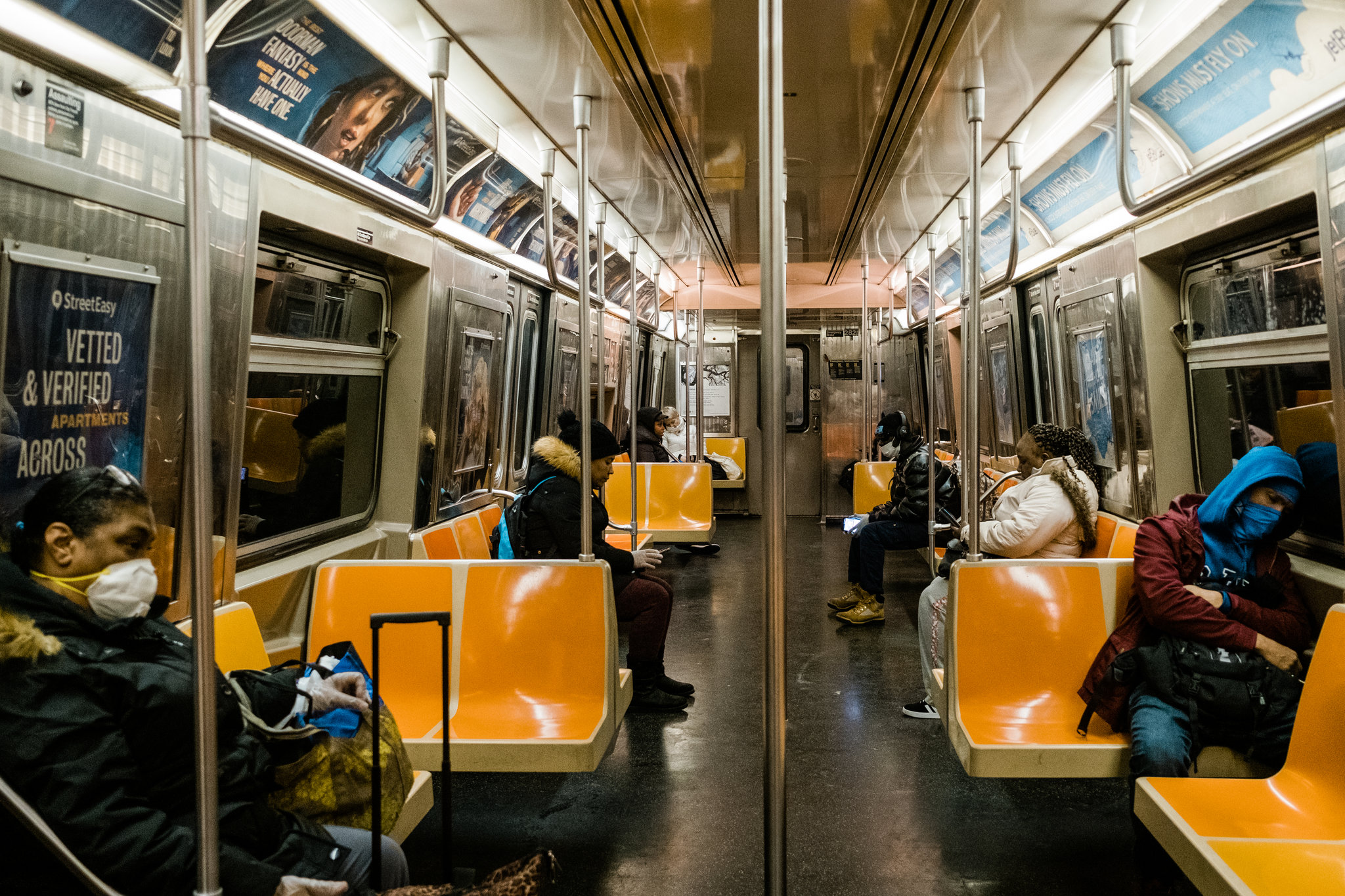
NYC Subway Surfing & How To Stop It.. For Real!

Subway Surfing in NYC: A Deadly Trend and the Search for Solutions

In recent years, New York City’s subway system, a sprawling network that transports millions daily, has become the stage for a dangerous and deadly trend: subway surfing. This reckless activity involves individuals, predominantly teenagers, riding on the roofs or sides of moving subway trains, often filming their stunts for social media clout. What began as a niche act of rebellion has escalated into a public safety crisis, claiming lives and challenging the city’s ability to protect its youth. Despite multiple interventions—from NYPD crackdowns to social media campaigns and even drone surveillance—the problem persists. Adolescents continue to risk their lives, driven by a sense of invulnerability and the allure of viral fame. This blog post explores the dangers of subway surfing, the failed attempts to curb it, and proposes a novel solution: installing anti-pigeon spikes on train roofs to physically deter this behavior.


The Rise of Subway Surfing

Subway surfing is not a new phenomenon, but its resurgence in the social media era has amplified its visibility and appeal. Young people climb onto the roofs of subway trains, often the 7 or J lines in Queens and Brooklyn, where trains run above ground, or cling to the sides of cars, balancing precariously as trains speed through the city. Videos of these stunts flood platforms like TikTok and Instagram, garnering thousands of views and likes. For many teens, subway surfing is a thrill-seeking act, a way to assert independence and gain peer recognition in a digital age where attention is currency.

The statistics are grim. According to the New York City Metropolitan Transportation Authority (MTA), subway surfing incidents have surged in recent years, with 2023 seeing a reported 400% increase in incidents compared to a decade prior (MTA, 2023). The consequences are often catastrophic: in 2024 alone, at least five teenagers died from falls off moving trains, with others suffering severe injuries, including head trauma from collisions with tunnel entrances (NYC Department of Health, 2024). The MTA and city officials have labeled subway surfing a public health crisis, yet the behavior persists, fueled by the psychology of adolescence and the amplifying effect of social media.


The Psychology of Adolescent Risk-Taking

To understand why subway surfing has taken hold among NYC’s youth, we must consider the psychology of adolescence. Teenagers are wired to take risks. During adolescence, the brain’s prefrontal cortex, responsible for impulse control and long-term planning, is still developing, while the limbic system, which drives reward-seeking behavior, is in overdrive (Steinberg, 2014). This creates a perfect storm: teens are drawn to high-risk, high-reward activities, seeking thrills and social validation while underestimating danger.

This sense of invulnerability is a hallmark of adolescent psychology. Studies show that teenagers often exhibit an “invincibility fable,” a cognitive bias where they believe they are immune to harm (Elkind, 1967). For subway surfers, this manifests as a belief that they can outsmart the train’s speed, balance on a moving car, or escape injury in a tunnel. The promise of social media fame further fuels this behavior. A single viral video can elevate a teen’s status among peers, providing a dopamine hit that outweighs perceived risks (Casey et al., 2011). As one 16-year-old subway surfer told The New York Times, “It’s not about being stupid—it’s about showing you’re fearless” (NYT, 2023).

This psychological profile complicates efforts to curb subway surfing. Traditional warnings and punishments often fail to resonate with teens who feel invincible and prioritize peer approval over safety. The MTA and city officials have tried multiple strategies to address the issue, but as we’ll see, these efforts have fallen short.


Failed Interventions: NYPD Crackdowns

The first major response to subway surfing came from the New York Police Department (NYPD). In 2022, as incidents spiked, the NYPD deployed additional officers to subway stations and trains, particularly in high-risk areas like Flushing and Jamaica, where elevated tracks make surfing more feasible. Officers patrolled platforms, issued summonses, and arrested individuals caught in the act. The MTA reported a temporary dip in incidents, but the effect was short-lived (MTA, 2022).

The NYPD’s approach faced several limitations. First, the subway system is vast, with 472 stations and over 600 miles of track (MTA, 2025). Policing every train and station is logistically impossible, especially with the NYPD’s staffing shortages, which have been well-documented (NYPD, 2024). Second, arrests and fines often failed to deter teens, who viewed legal consequences as less significant than the social rewards of surfing. For many, an arrest was a badge of honor, further fueling their bravado. Finally, the NYPD’s presence sometimes escalated tensions, with some community advocates arguing that heavy-handed policing alienated the very youth they aimed to protect (Community Board 7, Queens, 2023).

By 2023, it was clear that law enforcement alone could not solve the problem. The MTA and city officials turned to a new strategy: social media campaigns targeting young people directly.


Social Media Campaigns: A Missed Mark

Recognizing that subway surfing was fueled by social media, the MTA launched a series of awareness campaigns in 2023, aimed at dissuading teens through the same platforms they used to share their stunts. The “Ride Inside, Stay Alive” campaign featured influencers, PSA videos, and hashtags like DontSurfTheSubway, designed to appeal to Gen Z sensibilities. The MTA partnered with TikTok creators to produce content highlighting the dangers of subway surfing, including graphic depictions of injuries and testimonials from families of victims (MTA, 2023).

While well-intentioned, the campaign largely failed to resonate. Teens dismissed the PSAs as preachy and out-of-touch, with some mocking them in comment sections. One viral response video featured a teen sarcastically imitating an MTA ad while standing on a train roof, garnering over 100,000 views (TikTok Analytics, 2023). The campaign’s reliance on influencers also backfired; many teens saw through the corporate messaging, viewing it as an attempt to co-opt their culture rather than engage authentically.

The failure of social media campaigns underscores a key challenge: adolescents are skeptical of authority-driven messages, especially when they conflict with the thrill-seeking culture of platforms like TikTok. As Dr. Laurence Steinberg, a leading expert on adolescent behavior, notes, “Teens are more likely to listen to peers than adults, especially when the message feels like a lecture” (Steinberg, 2014). The MTA’s campaign, while creative, did not account for this dynamic, leaving the problem unresolved.


Drones: A Partial Success

In 2024, the MTA and NYPD pivoted to a high-tech solution: drones. Equipped with cameras and real-time monitoring capabilities, drones were deployed to patrol elevated subway tracks, particularly along the 7 and J lines. The goal was to deter surfers by increasing surveillance and enabling rapid response from law enforcement. Drones could spot teens on train roofs from a distance, alerting conductors to slow or stop trains and allowing police to intervene before incidents escalated (NYPD, 2024).

The drone program showed promise. In the first six months of 2024, the MTA reported a 20% reduction in subway surfing incidents on monitored lines (MTA, 2024). Drones also helped identify repeat offenders, leading to targeted interventions like community service or counseling. However, the program’s limitations soon became apparent. Drones are expensive to operate, requiring trained personnel and maintenance costs that strain the MTA’s budget. They also struggle to cover the entire subway system, leaving gaps where surfers can evade detection. Most critically, drones do not address the root causes of subway surfing: the psychological drive for risk and the social incentives of viral fame.

Tragically, the death toll continues to rise. In July 2024, a 15-year-old fell from a 7 train in Queens, suffering fatal injuries after striking a track signal (NYC Department of Health, 2024). Another teen lost his life in Brooklyn when he bashed his head against a tunnel entrance while surfing a J train (NYPD, 2024). These incidents highlight the urgent need for a more effective solution—one that physically prevents subway surfing rather than relying on deterrence or persuasion.


A Proposed Solution: Anti-Pigeon Spikes on Train Roofs

To address subway surfing at its source, the MTA should consider a physical deterrent: installing anti-pigeon spikes on the roofs of subway trains. These spikes, commonly used to prevent birds from perching on building ledges and roofs, are inexpensive, durable, and effective. By covering train roofs with spikes, the MTA could make it physically impossible for individuals to stand or balance, eliminating the feasibility of subway surfing.

Anti-pigeon spikes are typically made of stainless steel or polycarbonate, with pointed ends that deter birds without causing significant injury. When applied to train roofs, they would create an uneven, uncomfortable surface, making it impossible for surfers to maintain footing, especially on a moving train. The motion of a subway car—already a challenge for balance—would be exacerbated by the spikes, forcing would-be surfers to abandon the attempt or risk painful foot injuries. Unlike drones or police patrols, spikes require no ongoing monitoring, offering a passive, low-maintenance solution.

The concept draws inspiration from urban design strategies that use physical barriers to shape behavior, such as bollards to prevent vehicle ramming or textured surfaces for accessibility. Studies on environmental design show that altering physical spaces can significantly reduce undesirable behaviors, particularly among risk-taking populations (Cozens, 2008). For subway surfing, spikes would directly counter the invincibility fable by making the act physically untenable, bypassing the psychological barriers that render warnings ineffective.

Implementation would be straightforward. The MTA could retrofit train roofs during routine maintenance, with costs estimated at $500–$1,000 per car, based on similar installations for bird control (Pest Control NYC, 2025). With approximately 6,000 subway cars in the MTA’s fleet, the total cost would be a fraction of the millions spent annually on drone surveillance and NYPD overtime. Spikes are also weather-resistant and require minimal upkeep, making them a cost-effective long-term solution.

Critics might argue that spikes could pose safety risks, such as injuring maintenance workers or trapping debris. However, these concerns can be mitigated through proper design—blunt-tipped spikes, for example, deter without causing serious harm—and regular inspections. Another concern is that teens might find alternative ways to surf, such as clinging to train sides. While this risk exists, the spikes would still eliminate the most common and deadly form of subway surfing: roof-riding.


Addressing the Broader Context

While spikes offer a practical solution, they must be part of a broader strategy. Community engagement is critical to address the social and psychological drivers of subway surfing. Schools, youth organizations, and parents should work together to provide safe outlets for thrill-seeking, such as skate parks or adventure programs, which can channel teens’ energy into less dangerous activities. Social media platforms also have a role to play, by cracking down on subway surfing videos and promoting positive role models who advocate for safety.

Education campaigns should focus on peer-led messaging, leveraging the influence of youth culture to shift norms. As Steinberg (2014) suggests, “Adolescents are more likely to change behavior when they see peers modeling safer choices.” The MTA could partner with local youth groups to create authentic, grassroots campaigns that resonate with teens, avoiding the pitfalls of top-down PSAs.


Conclusion

Subway surfing in NYC is a deadly epidemic, driven by the collision of adolescent psychology and social media’s amplifying effect. The NYPD’s crackdowns, social media campaigns, and drone surveillance have all fallen short, unable to overcome teens’ sense of invulnerability or the allure of viral fame. Anti-pigeon spikes on train roofs offer a promising solution, physically preventing the act while requiring minimal resources. Combined with community-based efforts to engage youth and shift cultural norms, this approach could save lives and end the tragic toll of subway surfing. The time to act is now—before another young life is lost to the tracks.


References

- Casey, B. J., Jones, R. M., & Hare, T. A. (2011). The adolescent brain. Annals of the New York Academy of Sciences, 1124(1), 111–126.

- Cozens, P. (2008). Crime prevention through environmental design. Environmental Criminology and Crime Analysis, 153–177.

- Elkind, D. (1967). Egocentrism in adolescence. Child Development, 38(4), 1025–1034.

- MTA. (2022). Annual safety report. Metropolitan Transportation Authority.

- MTA. (2023). “Ride Inside, Stay Alive” campaign overview. Metropolitan Transportation Authority.

- MTA. (2024). Drone surveillance program results. Metropolitan Transportation Authority.

- MTA. (2025). Subway system overview. Metropolitan Transportation Authority.

- NYC Department of Health. (2024). Injury and mortality statistics. City of New York.

- NYPD. (2024). Subway safety enforcement data. New York Police Department.

- Pest Control NYC. (2025). Anti-pigeon spike installation costs. PestControlNYC.com.

- Steinberg, L. (2014). Age of Opportunity: Lessons from the New Science of Adolescence. Houghton Mifflin Harcourt.

- TikTok Analytics. (2023). Engagement metrics for subway surfing content. TikTok Platform Data.

- The New York Times. (2023). “Teens risk lives for subway surfing fame.” NYT.com.


Word count: 1,987

Tuesday, December 10, 2024

Daniel Penny Jury Got It Wrong: Evidence Shows Guilt

Examining the Case: Arguments for Daniel Penny's Guilt in the Death of Jordan Neely

The trial of Daniel Penny, a former Marine charged with manslaughter and criminally negligent homicide in the death of Jordan Neely, has been a focal point of public attention and legal scrutiny. While Penny was ultimately found not guilty on December 9, 2024, it's important to examine the arguments and evidence that were presented by the prosecution to understand the complexities of the case and the reasons why some believe Penny should have been held accountable.

Background of the Case

On May 1, 2023, Jordan Neely, a 30-year-old homeless man, was killed after being placed in a chokehold by Daniel Penny on a New York City subway. Neely, known for his Michael Jackson impersonations, had a history of mental illness and erratic behavior. On the day of the incident, witnesses described Neely as acting aggressively and making threatening statements. Penny, a 26-year-old Marine veteran, intervened and restrained Neely in a chokehold for nearly six minutes, leading to Neely's death.

Prosecution's Arguments

The prosecution argued that Penny's actions were reckless and excessive, leading to Neely's death. Here are the key points presented by the prosecution:

1. Excessive Force: The prosecution contended that Penny used excessive force by maintaining the chokehold for an extended period, even after Neely had ceased to be a threat. They argued that Penny could have restrained Neely without causing his death. The city's medical examiner declared the chokehold to be the cause of Neely's death.

2. Lack of Immediate Threat: Prosecutors highlighted that Neely was not armed and did not pose an immediate threat to Penny or other passengers once he was subdued. They argued that Penny's continued use of the chokehold was unnecessary and demonstrated a disregard for Neely's life.

3. Medical Evidence: The prosecution presented medical evidence showing that Neely died from compression of the neck, which was consistent with the chokehold applied by Penny. This evidence was crucial in establishing the cause of death and linking it directly to Penny's actions.

4. Witness Testimonies: Several witnesses testified that Neely was subdued and no longer resisting when Penny continued to hold him in the chokehold. These testimonies supported the prosecution's argument that Penny's actions were excessive and unjustified.

Legal Standards and Charges

To convict Penny of criminally negligent homicide, the prosecution needed to prove that Penny caused Neely's death with criminal negligence and that his actions were not justified. Criminal negligence involves a failure to perceive a substantial and unjustifiable risk that constitutes a gross deviation from the standard of care that a reasonable person would observe in the situation.

Broader Implications

The case of Daniel Penny and Jordan Neely has raised significant questions about public safety, mental health, and the use of force. The trial highlighted the challenges faced by individuals with mental illness and the need for better support systems. It also underscored the importance of appropriate responses to perceived threats and the potential consequences of excessive force.

The case has divided Americans with some believing Daniel Penny is a hero and others saying Jordan Neely did not deserve to be killed. Those who argue that Penny is a hero are mostly from the right-wing conservative faction in American politics. They view Penny's action as self-defense and claim Neely was violent and a threat to people in New York City and deserved what he got. Those who support Neely say that he was homeless and simply asking for food and water. He had mental illness and often had outbursts due to a lack of medication and overall treatment. The city failed to help him. They claim he is also a victim.  

We are now in a situation where people are bringing in politics and race. On social media, we are already seeing people (mostly non-Hispanic white right-wingers) attack blacks claiming they are the cause of violence, and focus on Neely's criminal record assassinating his character to deflect from his mental illness, homelessness situation, and lack of help from the city of New York.  They even go to the irrational extreme of claiming drugs killed Neely or Floyd when they were walking about without issue until they met their deaths at the arms and knees of white men.  We also see people attack Daniel Penny because he is Caucasian calling his chokehold move on Neely a "lynching."  Threats are being made to do to him what he did to Neely.  Sadly, it has come to this. The racism is in fact clear as day.  We are seeing a white vs back narrative subliminally presented in the arguments on both sides. People are forgetting the facts of the story.  

  • Did Neely deserve to be chokehold to death? 
  • Did Daniel Penny and others do the right thing and did they act in self-defense?

Based on what we know, the answer to these are not so easy, but the law can help.  In New York and 14 other states, there is a duty to retreat clause. This means that citizens have a duty to escape or get away from a violent situation if the opportunity is there. If there is no option to retreat, then citizens can use force, even kill the assailant.  

The duty to retreat does not apply to citizens when they are at home in New York at home, place of work, and at the car in other states.  The law varies from state to state. This is why people need to educate themselves.  Many times people, particularly conservatives, think that it is okay to kill someone who attacks you. They claim it is a "right" to self-defense. This is not true. 

One cannot just kill an attacker and claim self-defense.  Since this case between Neely and Penny happened in New York City, we will focus on the law in New York State. You can read more about laws in other states here (https://reason.com/volokh/2020/12/21/duty-to-retreat-35-states-vs-stand-your-ground-15-states/).


In New York state, Article 35 of the penal code states:

  (c) The physical  force  involved  is  the  product  of  a  combat  by

agreement not specifically authorized by law.

  2.  A  person  may  not  use deadly physical force upon another person

under circumstances specified in subdivision one unless:

  (a) The actor reasonably believes that such other person is  using  or

about  to  use  deadly  physical  force. Even in such case, however, the

actor may not use deadly physical force if he or  she  knows  that  with

complete  personal safety, to oneself and others he or she may avoid the

necessity of so doing by retreating; except that the actor is  under  no

duty to retreat if he or she is:

  (i) in his or her dwelling and not the initial aggressor; or

  (ii) a police officer or peace officer or a person assisting a police

officer or a peace officer at the latter`s direction, acting pursuant to

section 35.30; or

  (b) He or she reasonably believes that such other person is committing

or attempting to commit a kidnapping, forcible rape,  forcible  criminal

sexual act or robbery; or

  (c) He or she reasonably believes that such other person is committing

or  attempting to commit a burglary, and the circumstances are such that

the use of deadly physical force is authorized by subdivision three of

section 35.20.


https://ypdcrime.com/penal.law/article35.php   


So, as you read, there is a duty to retreat in New York State.  Daniel and the others had to retreat and not engage Neely unless there was no option to retreat. In light of this, Daniel Penny and the riders involved need to be charged for killing Jordan Neely. He broke the law (duty to retreat clause) of NY state. Screaming out for food, and water, or even throwing garbage does not warrant being choked to death.  Nor does having a criminal record.  Citizens cannot take the law into their own hands. This is not self-defense. Daniel and others had a duty to retreat.

Subway cars have end doors where people can move between cars.  They have emergency brakes that stop a moving train, allowing for exiting.  Attached are photos.  Moreover, cars have emergency windows that can be removed to exit.  There is no excuse.  The MTA offers guidelines here mentioning the emergency windows and how to exit a subway car, see: http://new.mta.info/document/76901.  If not charged, this will empower people to kill others for any outburst, whether mental illness-related or not. Even autistic people will be in danger depending on where on the spectrum they are and if this causes them to behave violently. People will kill others just for being bumped on a train, bus, or sidewalk.  We cannot have this in a civilized society where the rule of law supersedes.  Jordan Neely had a mental illness and was not helped. He could not help how he behaved due to it.  He did not deserve to be killed.  Attacking his character does nothing but turn the attacker into a despicable human being lacking morals and compassion.  Justice must be served.  The rule of law must matter.

In 2017, I served on a trial where a young man killed an elderly man with a metal pipe in the South Bronx (see: https://bronx.news12.com/jason-rivera-charged-in-death-of-80-year-old-manuel-rosario-at--york-grill-deli-34829640). In the video, we saw both men arguing. The young man walks out of the store and the elderly man goes to the back of the bodega and grabs a pipe going after the young man.  We see another cell video of both arguing outside and the young man hitting the elderly man with a pipe.  Many of the jurors thought the younger guy was defending himself. However, I brought up the duty to retreat clause and before deliberation, the judge told us the law.  

I remember this when studying paralegal in high school.  We did internships at the Bronx Court House on the Grand Concourse and 161st.  Like conservatives on social media, the jury I was with assumed the young guy was legitimately defending himself. However, this was not the case.  He had a duty to retreat. The elderly man was really no threat. He easily took the pipe away from him.  Therefore, the young man could have left with the pipe, tossed it aside and left, or simply just called 911 while holding the pipe and not engaging the elderly man. Instead, he took the pipe away and began to beat the elderly man fracturing his cheekbone and skull overall.  A few of the jurors got upset with me because I took the case seriously. They just wanted to issue a verdict and go back to their jobs. They were worried about not getting a paycheck. I was more concerned about justice. 

Two young Dominican guys were even making snarky remarks causing the older jurors to shake their heads in disbelief and call them out for their immaturity.  Anyhow, my delay in the deliberation worked and the right decision was made that even the judge, district attorney, and court officers applauded us. 

The other jurors pointed me out as the reason for delaying deliberations.   We ended up deciding a guilty verdict for manslaughter against the young man. He may have thought he was defending himself because the elderly man went after him with a pipe, but that was not self-defense.  He had a duty to retreat.  Similarly, Neely was not truly a threat. Screaming and crying out for food is not a threat.  It is a disturbance of the peace.  


Conclusion

While Daniel Penny was ultimately found not guilty, the arguments and evidence presented by the prosecution provide a compelling case for why some believe he should have been held accountable for Jordan Neely's death.  In my opinion, based on my juror experience, my legal studies and other cases, Daniel Penny is guilty.  Some are making the argument that Neely was threatening and that threats can result in the loss of your life under self-defense, but let us examine the law in NY.

In New York, the law surrounding self-defense is quite specific. Under New York Penal Law, you are allowed to use physical force to defend yourself or others if you reasonably believe it is necessary to prevent imminent harm. However, the use of deadly physical force is only justified under certain conditions.

Key Points of New York Self-Defense Law:

1. Reasonable Belief: You must have a reasonable belief that you or someone else is in imminent danger of being killed or seriously injured. This means that the threat must be immediate and not just a verbal threat without any accompanying physical aggression.

2. Imminent Threat: The threat must be imminent, meaning it is about to happen. If someone makes a threat but does not take any immediate action to carry it out, using deadly force may not be justified.

3. Proportional Force: The force used in self-defense must be proportional to the threat faced. Deadly force can only be used if there is a serious threat of death or serious physical injury.

4. Duty to Retreat: New York follows the "duty to retreat" principle, which means that if you can safely avoid the threat by retreating, you are required to do so before using deadly force. However, this duty does not apply if you are in your own home.

In summary, while you can use physical force to defend yourself if you believe you are in immediate danger, using deadly force is only justified if the threat is imminent and serious, and if you cannot safely retreat. It's always best to consult with a legal professional to understand the specifics of your situation. So as you can read, it is not black and white. One cannot say every threat is "imminent and serious" and one cannot immediately react physically. The situation must analyzed carefully. 

This is why this trial was not decided properly under the law. There was no justification for Daniel Penny killing Jordan Neely.  The jury simply did not take the case seriously or was coerced by social media to other parties.  The verdict simply does not make sense and invalidates NY State law. Because of this decision, it is open season now against the homeless, people with mental illness, or other disabilities which makes them prone to outbursts and emotional and mental episodes. 

I feel like going to the Bronx Criminal Court to talk to the judge in the case where I served as a juror in 2017. We decided on a guilty verdict for a young Hispanic man in his mid-20s who killed an older man after the older man confronted him with a metal pipe. After the Daniel Penny verdict, this young man should be freed. It is only fair. Unless there is one set of rules for non-Hispanic whites and another for African Americans and Hispanic Americans. 


The Abel Cedeno case needs a relook as well. He was 18 years old when he fought off two younger African American classmates who had bullied him for years or months. His mom complained but school officials did nothing. Abel complained, and the school ignored him. So one day, he brought a blade/knife to school. 

The bullies harassed him and assaulted him with paper balls, spitballs, and pencils and Abel snapped and confronted them and a fight broke out. One of the bullies got stabbed in the chest and later died. Abel, an LGBTQIA youth was arrested, charged, and sentenced to 14 years for manslaughter and 8 for assault. Daniel Penny kills Jordan Neely with a chokehold -his Marine instructor never taught him and who testified it was performed wrong- who was merely screaming that he was hungry and only had a muffin in his pocket and is exonerated.

Something is way off here where two young Hispanic men get imprisoned for literally defending themselves and a White non-Hispanic young male gets exonerated for attacking and choking a homeless man with mental illness to death who was simply having a mental health episode.

As stated, it is not open season one the homeless, etc.  We will see people killing each other now and crying out in self-defense.  We will see people calling everything a threat and attacking people who allegedly make them.  In the Bronx, I remember my friends saying to each other platonically, "I will F*ck you up!" This, of course, can be interpreted as, "I will beat you up."  Today, I still hear the youth saying the same line to each other playfully.  Will one of these youths get choked to death because they say the phrase which can be interpreted as a verbal threat of physical violence?  

In New York City, we often see Protestant preachers on the street yelling and shouting and sometimes condemning random people to hell. They yell extremely loudly with microphones and speakers and even without them. Their screams can be unnerving and annoying causing one's blood to boil, so to speak. This is especially true when they target gays or even Catholics with images of the crucifix of Mary on their person of ten condemning them to hell or calling them idolaters or sinners.  Their shouting and condemnations can be considered a "threat." Does this mean gays and Catholics can choke them to death?  What about protestors? We are seeing the more often now due to the Israel-Palestine conflicts. They often get rowdy and say "threatening" things. Will they get choked out as well now? Will this be okay and legal?  Where do we draw the line?  This is what the Daniel Penny verdict has brought upon New York City.  

I have nothing against Daniel Penny and hope he is safe now in his free life despite having a permanent target on his back, but he had to face the consequences of the violations of the law he made and the death of Jordan Neely. He is young and made a mistake thinking it to be the right thing to do.  He did not have to play "hero."  In New York City, we will see all kinds of strange and odd behavior. I remember in the Bronx as I sat at a park in the Little Italy area there was a homeless unkept looking lady. She was sitting on one of the benches. She had a dress or nightgown-looking attire like what elderly women wear. Out of nowhere, she lifted her dress grabbed her labia majora, and began to urinate using her hand to guide the stream of urine.  People around gasped in shock and disgust and ran off.  

She was known in the area and was often aggressive with people.  One time when I went to get my PO Box mail, she asked me for money and I did not have and told her, she then slightly hit the letters in my hand when I passed by her out of frustration.  I did not attack her back or choke her to death. It was no big deal.  I did not see her as a threat.  Unfortunately, before the pandemic, I found out from friends at the 48th precinct of the NYPD at the Build the Block meetings that she was a victim of assault. Someone attacked her, beat her up, urinated on her, and broke her legs.  However, this article says she was hit by a car (https://bronx.news12.com/20yearold-man-arrested-for-peeing-on-homeless-woman-in-the-bronx-42132848).  It took this evil act for the city to finally get her help!

Had Daniel Penny been around her, he probably would have choked her to death just for her erratic behavior! We cannot have this!  This cannot be the norm.  As stated, New York City is full of people like Neely and this homeless woman from the Bronx. They are now prime targets of overzealous people looking to play Batman as vigilantes.  This is a bad precedent that the Daniel Penny verdict now begins in one of the largest and most crime-plagued cities in the world. 

Jordan Neely needed help and never got it. All he had on him was a muffin, no weapons.  He was not a threat. The Daniel Penny trial shows us that the stereotype of black people being scary still exists. We often hear of the "Angry Black woman." These are stereotypes created by racists which are meant to tarnish black people.  Even today on social media, we see statements like "usual suspects," or statements like "show the color of the person," "we can assume what people did it..' and things like that which insinuate that Black people are automatically criminal by nature.  These are racist statements that stem from non-Hispanic Whites being raised to fear Black people.  Daniel Penny and others who claim Neely was a threat perpetuate this racist sentiment.   

This is why Black Lives Matter was formed. While some of its founding members have missed donations, the overall purpose of this movement was to highlight that Black people are targeted and are treated like they do not matter.  I sometimes wonder what the outcome would have been if Daniel Penny was Black and Jordan Neely was White.  Would he have gotten a not-guilty verdict? 

As a relative and friend of many people with Autism, I now worry for them that someone might come "to the rescue" and choke them out just because of their antics and outbursts which are often seen by ignorant people as a "threat" or "strange."  They simply are not educated on what Autism is and are prejudged.  Hopefully, Attorney General Leticia James and Governor Hochul will do something to protect people in New York from being victims of people claiming to "come to the rescue."  

We still need to work hard for a world where Black Lives Matter, Homeless Lives Matter, Mentally Ill Lives Matter, and White people can live and not be paranoid of people of color.  

The trial serves as a reminder of the complexities involved in legal proceedings and the importance of a fair and thorough judicial process. It also highlights the need for ongoing discussions about justice, safety, and mental health in our society.  

We pray for all involved; for Daniel Penny, the soul of Jordan Neely, and their families. It is not an easy situation.  No on is truly at fault. No one helped Jordan Neely and Daniel Penny should not have been put in that situation or placed himself in that situation.  We may escape man-made "justice," but in the end we all will be judged by the Creator, the Just Judge who is The Truth and cannot be deceived nor holds any bias or agendas.  


Sources:

: [ABC News](https://abcnews.go.com/US/daniel-penny-trial-spotlighted-issues-homelessness-mental-illness/story?id=116603921)

: [MSNBC](https://www.msnbc.com/deadline-white-house/deadline-legal-blog/daniel-penny-found-not-guilty-jordan-neely-verdict-rcna183265)

: [CBS News](https://www.cbsnews.com/newyork/news/daniel-penny-verdict-nyc-subway-chokehold-jordan-neely/)

: [NBC News](https://www.nbcnews.com/news/us-news/daniel-penny-found-not-guilty-chokehold-death-jordan-neely-rcna180775)

https://www.sacerdotus.com/2023/05/marine-daniel-penny-kills-homeless.html

https://www.sacerdotus.com/2023/05/marine-daniel-penny-kills-homeless.html

https://www.sacerdotus.com/2023/06/daniel-penny-jordan-williams-self.html

https://www.sacerdotus.com/2024/10/trial-begins-for-marine-daniel-penny.html

https://www.sacerdotus.com/2023/06/daniel-penny-arraigned-jordan-williams.html

Daniel Penny not guilty in Jordan Neely death – NBC Boston

Daniel Penny acquitted in NYC subway chokehold case over Jordan Neely’s death | PBS News

Daniel Penny found not guilty in chokehold death of Jordan Neely

Daniel Penny acquitted in NYC subway chokehold case over Jordan Neely's death

Veteran Daniel Penny is acquitted in NYC subway chokehold case over Jordan Neely's death

: [FindLaw](https://www.findlaw.com/state/new-york-law/new-york-self-defense-laws.html)

: [Vitaliano Law](https://www.vitalianolaw.com/blog/new-york-self-defense-laws/)

Sacerdotus TV LIveStream

Labels

Catholic Church (1557) Jesus (722) God (707) Bible (595) Atheism (393) Jesus Christ (378) Pope Francis (342) Liturgy of the Word (311) Atheist (274) Apologetics (254) Science (232) Christianity (198) LGBT (148) Theology (141) Liturgy (134) Blessed Virgin Mary (119) Abortion (97) Gay (95) Prayer (94) Pope Benedict XVI (91) Philosophy (89) Rosa Rubicondior (82) Traditionalists (78) Vatican (74) Psychology (73) Physics (70) Christmas (64) Holy Eucharist (61) Christian (59) New York City (59) President Obama (59) Protestant (52) Vatican II (49) Biology (47) Health (47) Politics (46) Women (44) Gospel (41) Racism (40) Supreme Court (35) Baseball (34) Illegal Immigrants (32) Pope John Paul II (32) NYPD (31) Death (30) priests (30) Astrophysics (27) Jewish (27) Morality (27) Priesthood (27) Religious Freedom (27) Space (27) Eucharist (26) Donald Trump (24) Evangelization (24) Christ (22) Evil (22) First Amendment (21) Pro Abortion (19) Child Abuse (17) Divine Mercy (17) Marriage (17) Pedophilia (17) Pro Choice (17) Easter Sunday (16) Holy Trinity (16) Police (16) Autism (14) Gender Theory (14) Pentecostals (14) Sacraments (14) Angels (13) Poverty (13) Blog (12) CUNY (12) Cognitive Psychology (12) Muslims (12) September 11 (12) Hispanics (11) Pope Paul VI (11) academia (11) Massimo Pigliucci (10) Evidence (9) Hell (9) Personhood (9) Podcast (9) Barack Obama (8) Big Bang Theory (8) Evangelicals (8) Human Rights (8) Humanism (8) Condoms (7) David Viviano (7) Eastern Orthodox (7) Ellif_dwulfe (7) NY Yankees (7) Spiritual Life (7) Encyclical (6) Gender Dysphoria Disorder (6) Babies (5) Baby Jesus (5) Catholic Bloggers (5) Cyber Bullying (5) Donations (5) Pope Pius XII (5) The Walking Dead (5) Ephebophilia (4) Plenary Indulgence (4) Pluto (4) Pope John XXIII (4) Death penalty (3) Founding Fathers (3) Dan Arel (2) Freeatheism (2) Oxfam (2) Penn Jillette (2) Pew Research Center (2) Cursillo (1) Dan Savage (1) Divine Providence (1) Fear The Walking Dead (1) Pentecostales (1)